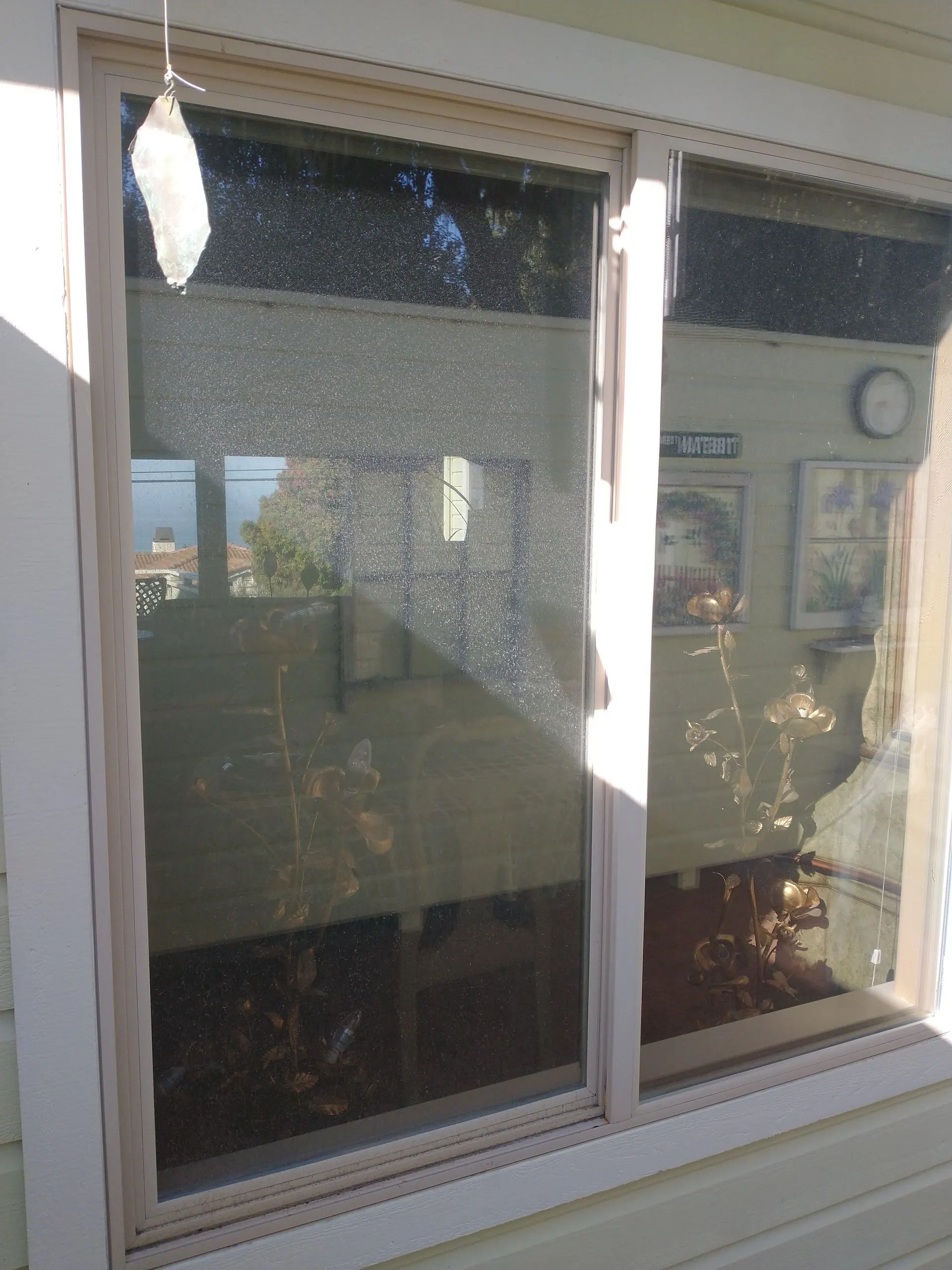
Hard water stains form when mineral-rich water evaporates on your windows, leaving behind deposits such as calcium and magnesium. Common causes include sprinkler overspray, rain, coastal moisture, irrigation systems, and water runoff. Regular professional window cleaning and reducing unnecessary water exposure can help prevent stubborn mineral buildup and keep your windows looking clear.
Clean windows can make a major difference in how your home looks and feels. They do more than improve your view—they allow more natural light into your living spaces, enhance curb appeal, and help your home look well maintained.
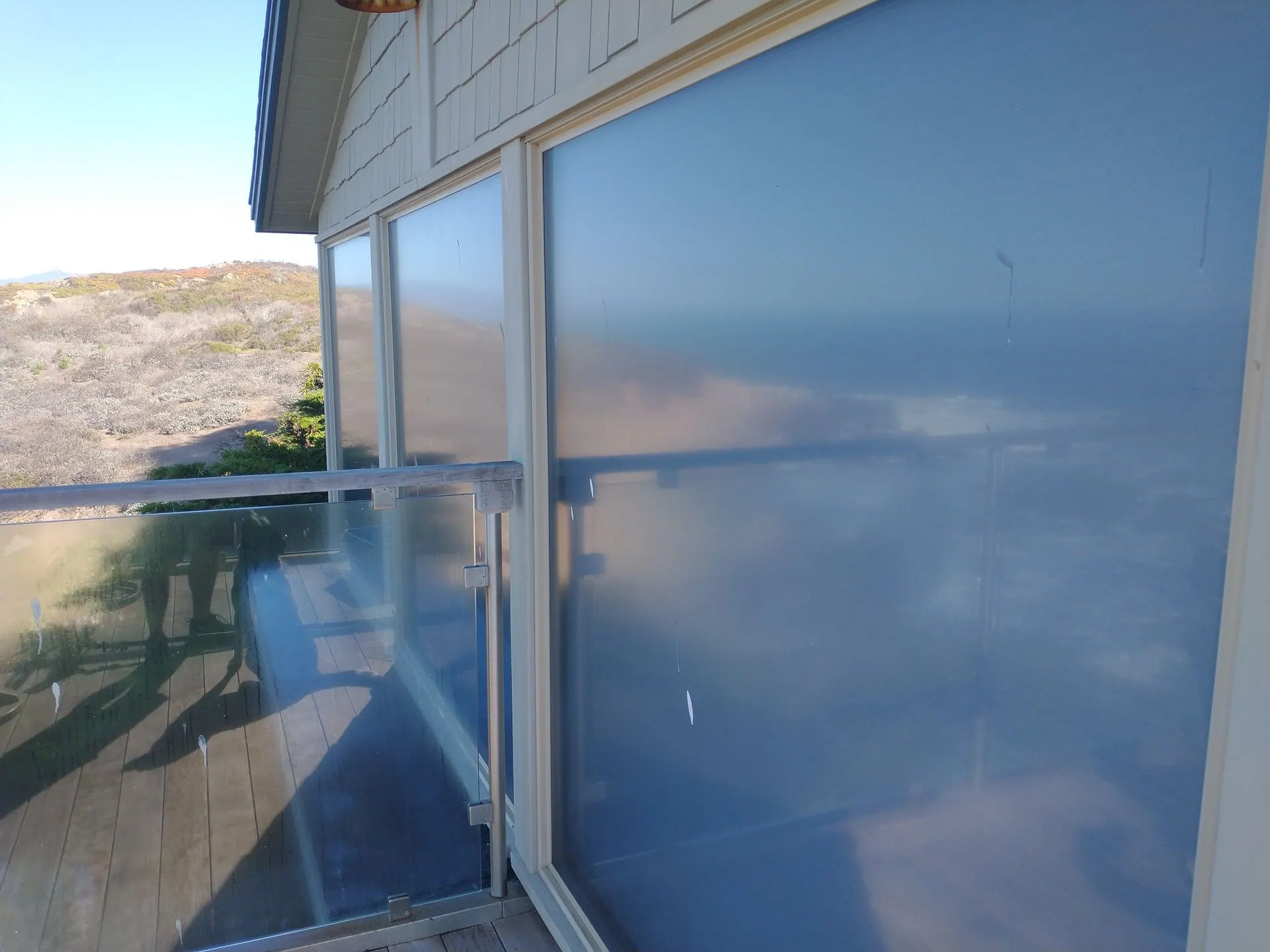
However, many homeowners eventually notice cloudy spots, white marks, or stubborn mineral buildup on their windows that do not disappear with regular cleaning.
These marks are often caused by hard water stains.
Unlike ordinary dirt or dust, hard water stains are caused by minerals left behind when water evaporates on glass surfaces. Over time, repeated exposure can create a hazy appearance and make windows look older or less clear.
For homeowners throughout San Luis Obispo County and the Central Coast, understanding what causes hard water stains and how to prevent them can help protect your windows and maintain a cleaner-looking home exterior.
Why Trust Clear Wave Windows LLC?
At Clear Wave Windows LLC, we've helped homeowners throughout San Luis Obispo County remove stubborn hard water stains, coastal residue, and mineral buildup from residential windows. We understand the environmental conditions that affect homes along California's Central Coast and use professional window cleaning techniques designed to restore clarity while protecting your glass.
In this guide, we'll explain what causes hard water stains, how to prevent them, and when professional window cleaning may be the best solution for restoring your windows.
What Causes Hard Water Stains on Windows?
Hard water stains occur when water containing dissolved minerals dries on a glass surface.
As water evaporates, minerals such as calcium, magnesium, and other deposits remain behind. With repeated exposure, these minerals can build up and create visible spots or cloudy areas on your windows.
Common causes of hard water stains include:
- Sprinklers spraying onto windows
- Rainwater drying on glass
- Coastal moisture and mineral deposits
- Irrigation overspray
- Improper cleaning methods
- Water runoff from roofs, gutters, or nearby surfaces
Many homeowners assume these marks are just dirt, but traditional window cleaning methods may not remove mineral deposits once they have bonded to the glass.
Common Signs Your Windows Have Hard Water Stains
Hard water stains can appear differently depending on how long the buildup has been present.
Cloudy or Hazy Glass
One of the most noticeable signs is a cloudy appearance that makes windows look dirty even after cleaning.
White Spots or Mineral Deposits
Small white marks or circular spots may appear where water droplets have dried repeatedly.
Reduced Window Clarity
Heavy mineral buildup can make windows appear dull, reduce visibility, and diminish the overall appearance of your home.
Stains That Do Not Come Off With Regular Cleaning
If you have cleaned your windows but the marks remain, mineral deposits may be the cause.
Why Hard Water Stains Are Common on the Central Coast
Homes throughout San Luis Obispo County and California's Central Coast experience environmental conditions that can contribute to window buildup.
Factors such as:
- Coastal salt air
- Seasonal rain
- Morning fog
- Irrigation systems
- Outdoor landscaping
- Mineral-rich water
can increase the chance of water spots and mineral deposits forming on exterior glass.
Homes in communities such as Pismo Beach, Morro Bay, Avila Beach, Los Osos, Arroyo Grande, and other Central Coast communities often experience faster mineral and salt buildup because of coastal moisture and environmental conditions.
Regular exterior window maintenance can help prevent buildup before it becomes more difficult to remove.
Can Hard Water Stains Damage Windows?
Yes, over time, hard water stains can become more than just a cosmetic issue.
When mineral deposits remain on glass for extended periods, they can become increasingly difficult to remove. Severe buildup may create a rough texture on the surface and, in some cases, contribute to permanent glass damage.
The longer minerals sit on the glass, the more challenging they can be to restore.
Addressing hard water stains early helps protect your windows and prevents small issues from becoming expensive replacements.
How to Prevent Hard Water Stains on Your Windows
The best way to deal with hard water stains is to prevent them before they build up.
1. Keep Sprinklers Away From Windows
One of the most common causes of hard water stains is irrigation overspray.
Check your sprinkler system regularly and make sure water is not spraying directly onto:
- Windows
- Glass doors
- Exterior walls
- Outdoor furniture
Reducing unnecessary water exposure can significantly help prevent mineral buildup.
2. Clean Windows Regularly
Routine window cleaning helps remove dirt, salt residue, and mineral deposits before they have time to build up.
Regular maintenance is especially important for homes exposed to:
- Coastal weather
- Dust
- Pollen
- Frequent irrigation
A consistent cleaning schedule keeps windows clearer and makes future maintenance easier.
3. Remove Water From Glass Surfaces
Allowing water droplets to dry naturally on windows increases the chance of mineral deposits forming.
After irrigation, storms, or exterior cleaning, removing excess water when possible can help reduce buildup.
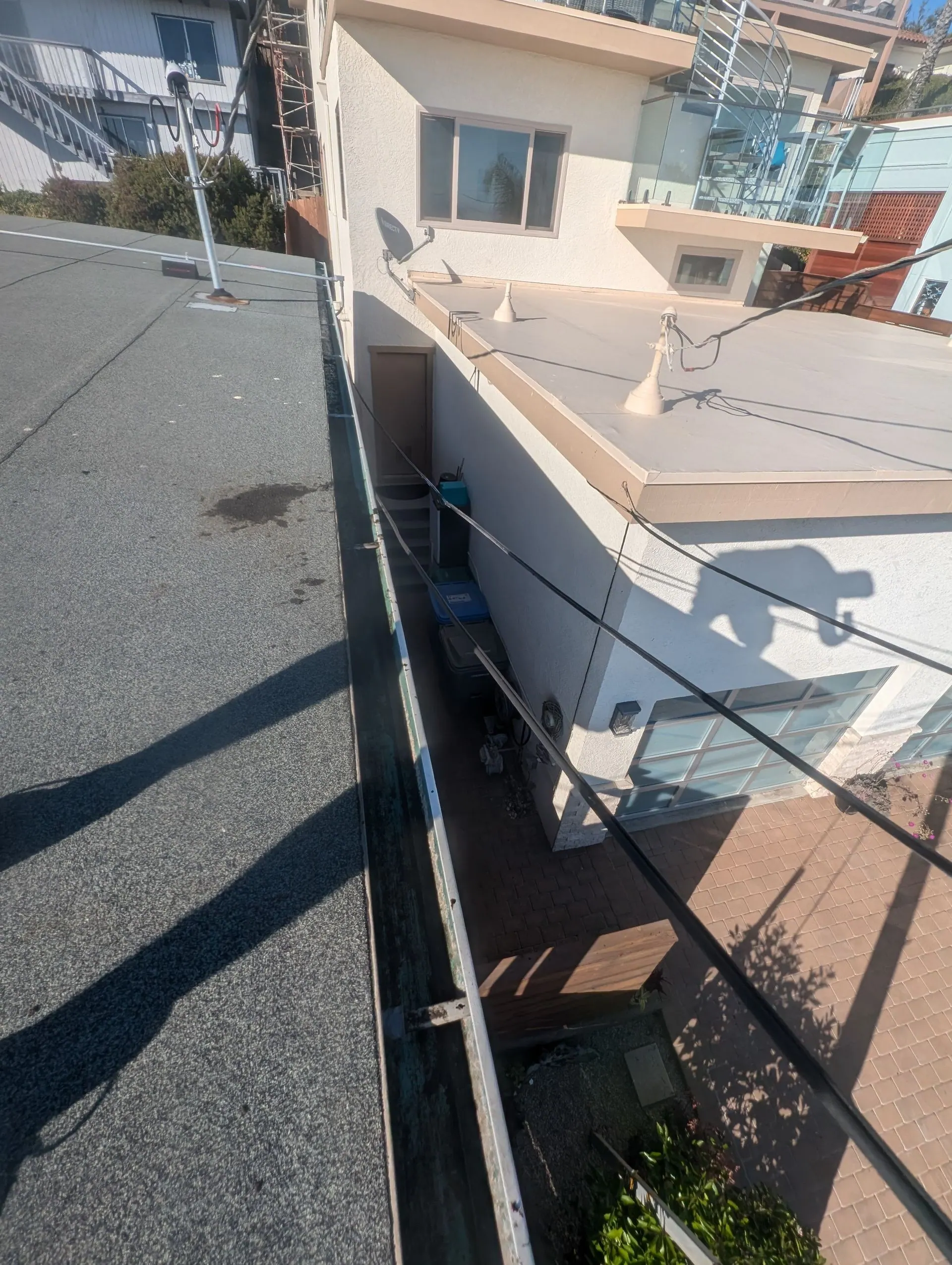
4. Maintain Gutters and Drainage
Poor drainage can cause water runoff to splash onto windows and exterior surfaces.
Keeping gutters clean and ensuring proper water flow away from your home can help reduce unnecessary moisture exposure.
5. Use Professional Window Cleaning Methods
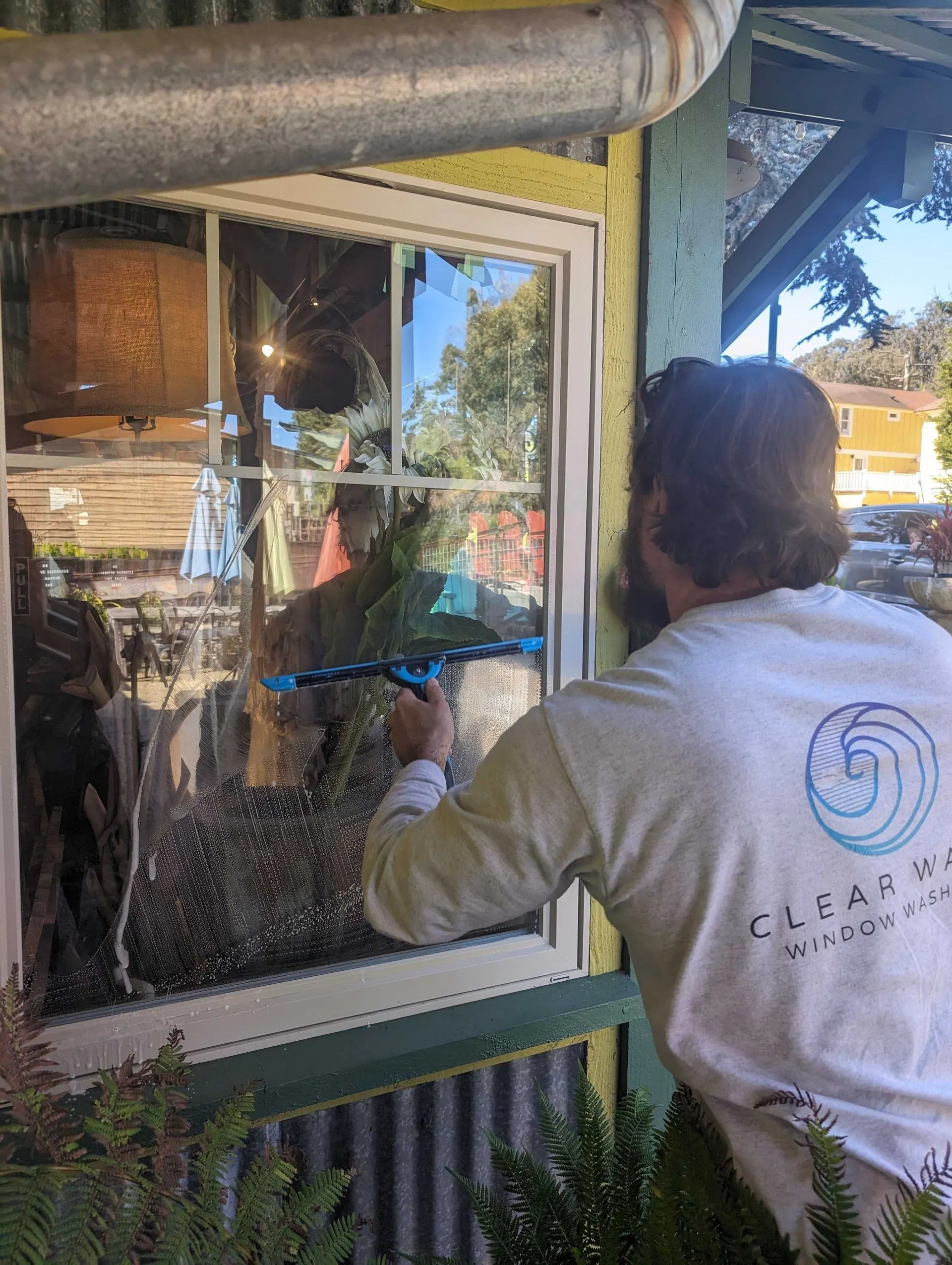
Professional window cleaning goes beyond removing surface dirt.
Experienced cleaners use proper techniques and equipment to safely remove buildup while protecting your glass and surrounding surfaces.
For stubborn mineral deposits, specialized treatments may be needed to restore clarity without scratching or damaging the window.
Can You Remove Hard Water Stains Yourself or Should You Hire a Professional?
Some light water spots can be removed with household cleaning methods. However, stubborn mineral deposits are often more difficult to treat.
Many DIY attempts can create problems, including:
- Scratching the glass
- Leaving additional residue
- Using products that are too harsh
- Failing to remove the minerals completely
Because glass surfaces can be delicate, professional cleaning is often the safest option for removing difficult buildup.
Benefits of Professional Window Cleaning
Many homeowners clean their windows occasionally, but professional window cleaning provides several advantages.
Professional window cleaning can help:
- Remove stubborn dirt and mineral deposits
- Improve window clarity
- Extend the appearance and condition of your windows
- Reach difficult areas safely
- Create a cleaner overall appearance for your home
Regular professional maintenance also helps identify potential issues early, such as damaged screens, deteriorating seals, or areas where water buildup is occurring.
Final Thoughts
Hard water stains are a common issue for homeowners, especially in areas exposed to moisture, irrigation, and coastal conditions.
While these stains may seem like simple spots on glass, they can become harder to remove when left untreated for long periods.
By controlling water exposure, maintaining regular window cleaning, and addressing buildup early, homeowners can keep their windows looking clearer and brighter.
For homeowners throughout San Luis Obispo County, professional window cleaning can help remove dirt, mineral deposits, and exterior buildup while protecting the appearance of your home.
Keep Your Windows Clear and Spot-Free
Don't let stubborn hard water stains hide the beauty of your home. If your windows are covered with mineral deposits, cloudy glass, or water spots that won't come off with regular cleaning, Clear Wave Windows can help.
Our professional window cleaning services are designed to safely remove exterior buildup and restore the clean appearance of your windows.
Whether you need residential window cleaning, exterior maintenance, or help removing stubborn stains, our team serves homeowners throughout San Luis Obispo County.
Schedule your window cleaning service today and enjoy cleaner, clearer windows backed by our 10-Day Rain Guarantee.
Frequently asked questions
1. What causes hard water stains on windows?
Hard water stains are caused by minerals left behind when water evaporates on glass surfaces. Common sources include sprinkler overspray, rain, irrigation, coastal moisture, and mineral-rich water.
2. Can hard water stains be removed from glass?
Yes. Many hard water stains can be removed using professional cleaning methods. However, older or heavier mineral buildup may require specialized restoration techniques.
3. Are hard water stains permanent?
Not always. Light mineral deposits can often be removed, but stains that remain untreated for long periods may become increasingly difficult to restore.
4. How can I prevent water spots on my windows?
You can reduce water spots by adjusting sprinklers, cleaning windows regularly, maintaining gutters, and limiting unnecessary water exposure.
5. Does rain cause hard water stains?
Rainwater can contribute to window spots because it may leave behind minerals and environmental residue when it dries on glass.
6. How often should I have my windows professionally cleaned?
The ideal schedule depends on your home's location and exposure to environmental conditions. Coastal homes or properties with frequent irrigation often benefit from more frequent professional cleaning.
7. Can I use vinegar to remove hard water stains?
Some homeowners use vinegar to remove light mineral deposits, but heavier buildup may require professional products and techniques to restore clarity without damaging the glass.