How Hard Water Affects Your Windows
Chris Grayson • February 9, 2026
Hard water is a common issue for homeowners across the United States. It contains a high concentration of calcium and magnesium minerals that can build up over time on various surfaces. One of hard water's most noticeable and frustrating effects is what it does to your windows. Hard water stains on windows appear as cloudy spots or streaks and can be tough to remove once they set in.
While hard water doesn’t pose a health risk, it can create long-term problems for your home’s appearance and upkeep. When hard water dries on glass, it leaves mineral deposits that stick and build up with each rinse, rain, or sprinkler cycle. These stains make your windows look dirty and can cause etching and permanent damage if ignored.
This article explains hard water, how it affects glass surfaces, and how you can clean, remove, and prevent hard water stains on windows. Whether you're dealing with mild buildup or stubborn spots that won't budge, the right approach can save your windows and restore your home's curb appeal.
What is Hard Water?
Hard water contains elevated levels of dissolved minerals like calcium, magnesium, and sometimes iron. These minerals naturally enter water supplies as water passes through soil and rock. Most municipal and well water sources in California have some level of hardness.
You might notice hard water effects on faucets, shower doors, and dishes, but it also affects outdoor areas. Sprinklers, irrigation systems, and hose runoff can all leave behind traces of minerals on your windows and siding.
These minerals often leave behind stubborn residues, including hard water stains on windows that become more difficult to remove over time. The longer the buildup sits on the surface, the more likely it is to cause permanent marks.
How Hard Water Affects Glass Surfaces?
Glass might seem solid and smooth, but it’s porous at the microscopic level. When hard water lands on a window and evaporates, it leaves behind small mineral crystals. Over time, these deposits bond to the surface, creating cloudy or hazy patches that regular cleaning won't fix.
If left untreated, the minerals begin to etch into the glass. Etched glass has tiny grooves that scatter light and make windows look permanently fogged or stained. Once etching occurs, it’s nearly impossible to completely remove mineral deposits from glass without replacing the windowpane.
Hard water stains affect more than appearance. They reduce visibility through the glass, make cleaning more difficult, and can shorten the lifespan of your windows. Routine exposure to hard water worsens the damage, so prevention and early cleaning matter.
Common Sources of Hard Water Stains on Windows
Knowing where hard water comes from can help you avoid problems in the first place. Here are some common causes of mineral stains on windows:
- Sprinkler overspray: Automatic lawn or garden sprinklers often spray water onto nearby windows. If the water contains minerals, stains quickly follow.
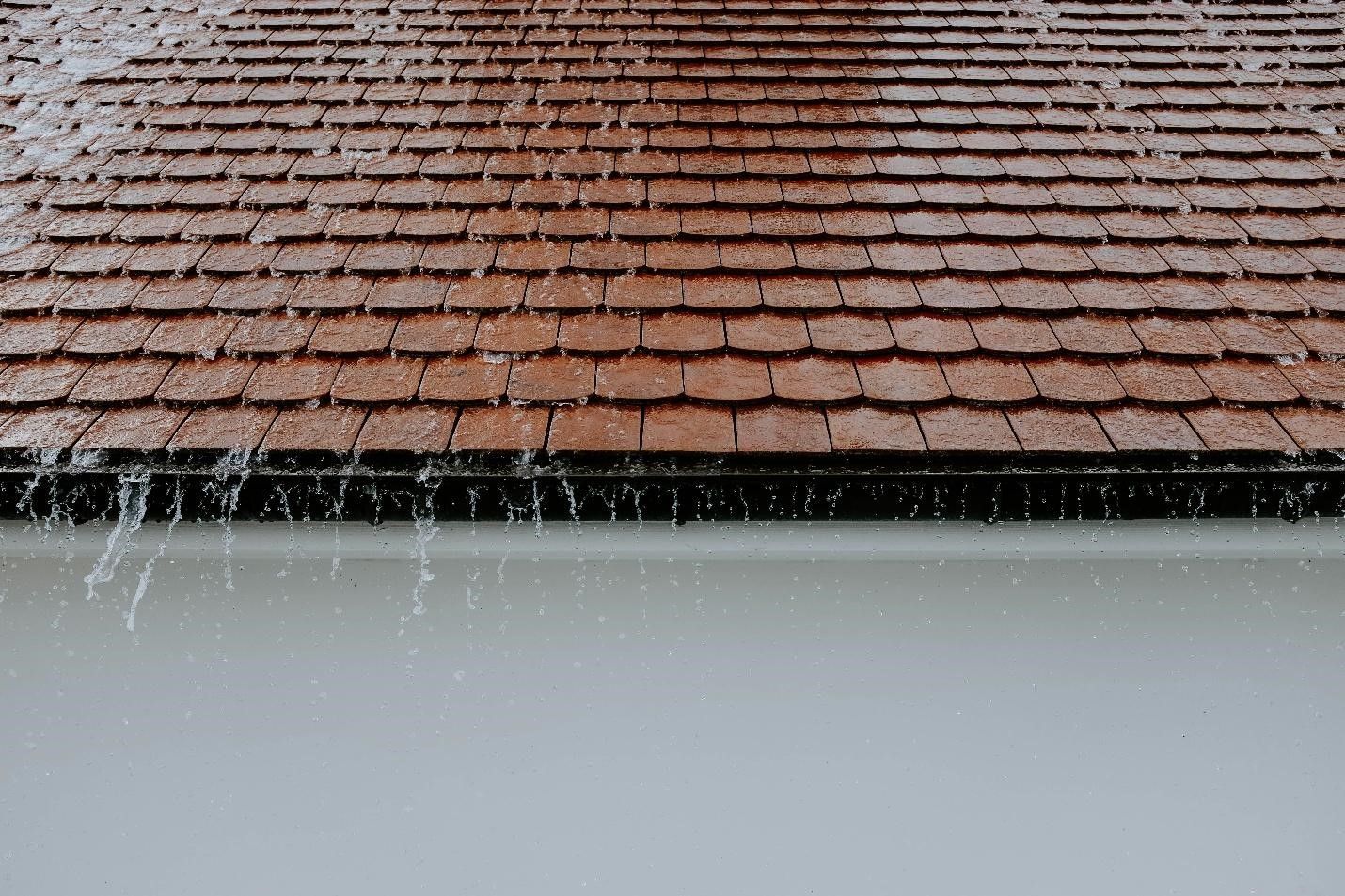
- Roof runoff: Rainwater that flows over mineral-rich roofing materials can collect particles that streak and leave hard water stains on windows during storms.
- Leaky garden hoses or irrigation: Slow leaks near siding and window wells can splash water onto glass, especially in windy areas.
- Condensation on windows: Poorly sealed windows sometimes collect condensation. Thus, hard water stains on windows may form if that moisture contains minerals from inside your home’s water system.
Being aware of these sources helps you adjust your maintenance habits and lower the risk of staining.
The Science of Stain Formation: Why Hard Water Leaves Lasting Marks
When hard water evaporates on a glass surface, the minerals in the water are left behind. These minerals react with the surface of the glass and form a crust. Over time, the crust hardens and becomes more difficult to remove.
The sun's heat can bake these deposits into the glass, making them stick even more. After repeated exposure, the minerals can start breaking down the outer layer of the windowpane, making cleaning much more challenging.
An untreated buildup increases cleaning difficulty with each new layer. What begins as a simple water spot can quickly develop into a permanent stain.
Practical Tips to Remove Mineral Deposits From Glass
There are several ways to address hard water stains. Your chosen method depends on how long the deposits have been sitting on the glass and how severe the stains have become.
DIY Cleaning Solutions: Practice These Easy-to-Follow Window Stain Removal Tips
- Vinegar (acetic acid): Mix equal parts white vinegar and water in a spray bottle. Spray the solution on the window and let it sit for 5 to 10 minutes. Then scrub gently with a microfiber cloth or sponge.
- Lemon juice: The natural acids in lemon juice can break down mineral buildup. Apply it to the stain and wipe clean after several minutes.
- Baking soda paste: Mix baking soda with water to form a paste. Apply it to the stained area, let it sit, and scrub gently.
- Commercial mineral removers: Some glass cleaners are explicitly designed to remove hard water stains. Always test a small area first.
Limitations of DIY Methods
These tips for the removal of hard water stains on windows can work on early-stage buildup, but not all deposits respond to household cleaners. If the stains are deeply etched or have been there for months or years, they may require professional treatment. Too much scrubbing can also scratch glass if you use the wrong materials.
Prevention Tips to Avoid Mineral Deposits From Glass
The best window stain removal tips often involve preventing buildup before it happens. Taking steps to stop mineral deposits from forming can save time and avoid damage. Here are some practical ways to prevent hard water stains on your windows:
- Adjust sprinkler heads: Point sprinklers away from windows so they don’t spray directly onto the glass. This is especially important for systems on timers that operate when you’re not home.
- Install drip irrigation where possible: This type of watering system delivers moisture directly to the base of plants, reducing overspray that can hit nearby windows.
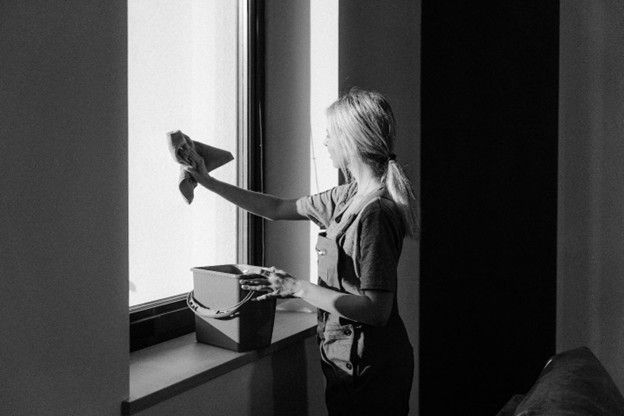
- Clean windows regularly: Dust, dirt, and water spots are easier to remove before they harden. Schedule regular cleanings every few weeks, especially during dry, sunny weather.
- Use a squeegee after watering or rain: Wipe away moisture on exterior windows after your sprinkler runs or after rainfall. This prevents water from drying and leaving mineral deposits behind.
- Apply glass sealants or water repellents: These products form a barrier on the glass that resists water adhesion, helping droplets roll off instead of sticking and drying in place.
- Install gutters and proper drainage: Channel rainwater away from windows using well-maintained gutters and downspouts. Make sure the water flows away from the foundation.
- Use a whole-house water softener: By reducing calcium and magnesium levels in your home’s water, you can reduce the chance of mineral staining from hoses, irrigation systems, and condensation.
Preventive care is easier and more affordable than correcting long-term damage. These small window stain removal tips make a big difference in keeping your windows clean and clear.
Conclusion: Seek Professional Help When You Can’t Remove Mineral Deposits From Glass
Hard water stains on windows are common, especially in areas with mineral-rich water supplies. These stains start small, but over time, they can grow into permanent eyesores that reduce the appearance and value of your home. Acting early with regular cleanings and preventative measures can help you avoid damage.
Still, not all stains are easy to remove. Sometimes, easy-to-follow window stain removal tips aren’t enough to clean the hard water stains collecting on your windows.If your glass looks cloudy even after cleaning, or if you see signs of etching, it may be time to call in a professional. Trained technicians can identify the type of damage, use specialized equipment, and apply more effective professional solutions than store-bought products.
Expert window cleaners also know how to protect the surrounding surfaces and use safe, eco-friendly materials that won’t harm your home or landscape. They can help restore your windows to their best condition and advise on keeping them that way.
A professional cleaning service offers peace of mind and long-lasting results for anyone dealing with long-standing mineral buildup, water spots that keep coming back, or hard water issues that affect multiple surfaces.
Get Expert Window Cleaning in California
Clear Wave LLC provides professional window cleaning services across California for homeowners dealing with hard water issues on exterior glass. ClearWave uses deionized water and eco-friendly methods to remove stains without leaving streaks or residue.
If you want your windows to look clear, clean, and stain-free, reach out today to schedule an inspection or request a quote.
Visit
https://www.clearwavellc.com or call (805) 203-0345 to learn more.