The Dangers of Using High Pressure on Delicate Surfaces
Chris Grayson • February 16, 2026
Pressure washing is a fast and powerful way to clean exterior surfaces. Homeowners often use it to blast away dirt, mold, algae, and other buildup from driveways, patios, and siding. However, while pressure washing works well on hard surfaces like concrete, it can cause serious harm to more delicate materials, making soft washing delicate surfaces necessary.
Not every part of your home will withstand thousands of pounds of water pressure. High pressure damages exterior materials, making them expensive to fix and impossible to reverse. Choosing the correct method for each surface is critical to avoiding costly damage from safe exterior cleaning.
This guide will help you understand the difference between pressure washing and soft washing, show you which surfaces are most at risk, and offer smart tips for keeping your property clean without harm.
Understanding Pressure Washing vs. Soft Washing
Pressure washing uses a high-powered stream of water, often 1,500 to 4,000 PSI, to remove surface dirt and stains. It works well on sidewalks, stone, and other hard materials. But that much force can strip paint, crack siding, or dig into softer materials.
Soft washing uses low-pressure water (usually under 500 PSI) and safe, biodegradable cleaning solutions. This method loosens dirt, algae, mold, and other buildup without the risk of surface high pressure damage.
Use pressure washing for:
- Concrete driveways
- Stone retaining walls
- Brick patios
Professionals often choose to soft wash delicate surfaces, such as roofs, siding, stucco, and painted wood, to preserve structural integrity while still achieving a deep clean
Common Surfaces Vulnerable to High Pressure Damage
Some exterior materials can’t tolerate the force of pressure washing. Even a single use of too much PSI can cause permanent harm.
High-risk surfaces include:
- Stucco and dryvit: These textured finishes can crumble or erode under pressure.
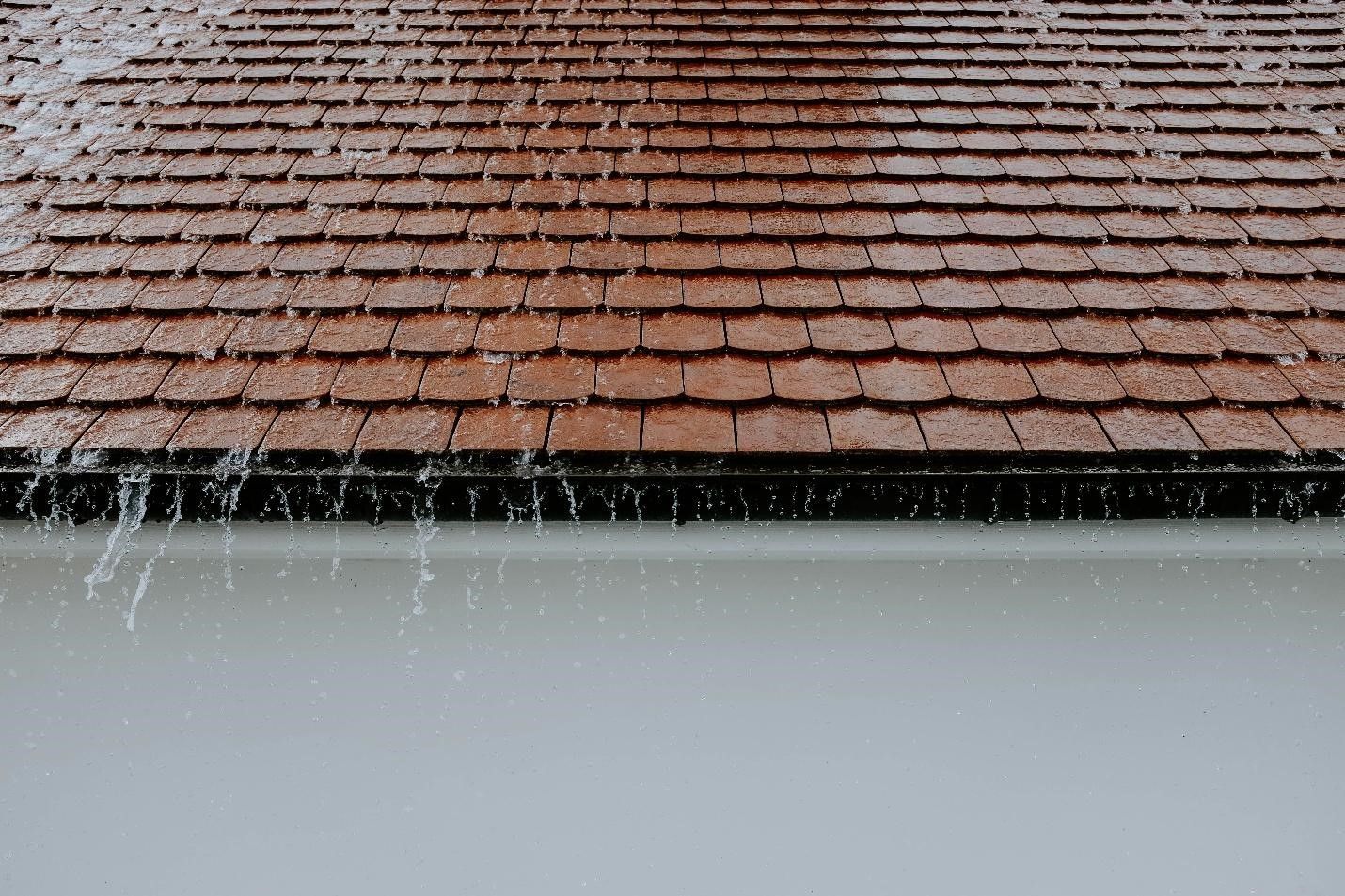
- Asphalt shingles: Water can lift shingles and strip away protective granules.
- Painted wood: Pressure can peel or fade paint, exposing the surface underneath.
- Screen enclosures: Fragile frames or mesh can bend or tear.
- Untreated wood decks and fences: Older wood can splinter, crack, or absorb water, leading to rot.
- Vinyl and aluminum siding: High pressure may dent or force water behind the panels.
High pressure damages exterior materials, such as gouging wood or stripping away protective coatings. This can lead to repairs, repainting, or complete replacement, which can use a gentler approach.
Specific Risks of High Pressure Cleaning on Delicate Surfaces
High-pressure cleaning doesn't just remove dirt; it can also weaken a surface's structure, break seals, or force water into areas it should never reach. These effects may not show up immediately, but often become visible days or weeks later.
What can go wrong:
-
- Surface erosion: Constant blasting at high PSI removes the outer layer of surfaces, wearing away paint, coatings, or the finish. In some cases, this erosion exposes materials underneath to weather and decay.
- Water intrusion: High-pressure water can seep into siding, crawlspaces, or insulation. Trapped moisture can lead to mold growth, wood rot, or pest infestations.
- Broken seals: Window and door seals keep out water and air. Pressure washing at the wrong angle or too close can rupture these seals, reducing energy efficiency and letting in drafts.
- Peeling paint: Painted surfaces are particularly vulnerable. High pressure can lift paint in sheets, requiring a full repaint.
- Aging acceleration: Repeated pressure washing speeds up wear and tear. Materials degrade faster, reducing the overall lifespan of exterior components.
For example, applying high-pressure cleaning to a stucco wall can leave gouges in the finish, allowing moisture to enter and creating long-term damage that requires professional repair. A roof cleaned with excessive pressure may lose shingle granules, affecting both appearance and weather protection. Hence, soft wash delicate surfaces to create lasting effects on your home.
Why You Should Soft Wash Delicate Surfaces
Soft washing offers a more innovative, safer way to clean surfaces not built to handle force. This method relies on biodegradable cleaning solutions and controlled water flow to gently remove grime, bacteria, and buildup.
Why it’s recommended to soft wash delicate surfaces:
- Protects surfaces from damage: Low-pressure techniques reduce the risk of cracking, chipping, and erosion. Whether it's vinyl siding or a wood deck, soft washing provides a safe way to restore appearance without physical harm.
- Delivers deep, lasting results: Soft washing cleaning agents target organic growth at its root. Algae, mold, and mildew don't just disappear; they're neutralized, which means cleaner surfaces for longer periods.
- Preserves structural integrity: No high-pressure blasting means there’s no chance of water forcing into joints, insulation, or siding. The result is a dry, intact, and sound structure.
- Reduces long-term repair and maintenance costs: By cleaning gently, soft washing helps extend the life of your exterior materials, reducing how often you need to repaint, reseal, or replace components.
- Uses eco-friendly practices: Most soft washing solutions are biodegradable and safe for kids, pets, landscaping, and outdoor furniture. This makes them an excellent choice for environmentally conscious homeowners.
To soft wash delicate surfaces, you clean them thoroughly while preserving their aesthetic and structural integrity. This protects your investment while restoring the beauty of your home.
Misconceptions About Cleaning Power and Water Pressure
Many homeowners believe that more pressure automatically means a better clean. After all, it’s a common assumption that blasting away dirt should work faster and more effectively. But this approach can cause more harm than good, especially on delicate surfaces like wood, vinyl siding, shingles, or stucco.
Common myths:
| Myth | Truth |
|---|---|
| Higher pressure gives deeper cleaning. | Most of the cleaning power comes from using |
| the right detergent and allowing it to sit (dwell time), not from the water pressure alone. This is where we recommend to soft wash delicate surfaces. | |
| All pressure washers are safe for home use. | Many consumer-grade machines can still reach very high pressures that are too aggressive for surfaces like siding, roof tiles, or painted decks. |
In reality, cleaning technique matters more than sheer force. Choosing the correct pressure setting, using proper nozzles, and selecting the right cleaning solution are far more effective and much safer than simply cranking up the PSI. High-pressure blasts can strip paint, gouge wood, crack shingles, or force water behind siding, leading to mold, rot, and structural damage.
Soft Washing uses mild pressure combined with safe, effective cleaning agents. This method gently lifts dirt, algae, and grime without damaging the surface. It also provides longer-lasting results because it treats the root of the problem, not just the visible dirt.
Before turning on the pressure washer, consider the surface you’re cleaning. Higher pressure can be the worst choice for many delicate materials.
Tips for Safe Exterior Cleaning at Home
If you plan to do your exterior cleaning, take steps to protect your surfaces and avoid damage.
Start with the surface:
- Know your material: Is it painted, textured, old, or untreated? This determines your cleaning method.
- Test first: Try cleaning a small, hidden section to see how it reacts before cleaning the entire area.
Use proper tools:
- Avoid high-PSI machines: Some rental washers are designed for commercial concrete, not home siding.
- Choose the proper nozzle: Use wide-angle nozzles (like 40-degree) to reduce force.
- Watch your angle: Spray downward to prevent water from being driven behind surfaces.
When in doubt, ask an expert:
Homeowners looking for safe exterior cleaning should avoid treating all materials the same. If you aren’t sure whether a surface can handle pressure, call a professional who can assess the best method.
Conclusion: Choosing the Right Method Matters
Cleaning the outside of your home is about maintaining the house’s value and avoiding unnecessary repairs. While pressure washing works well for hard, durable surfaces, it is not the best option for every situation.
Soft washing gives homeowners a better choice for cleaning delicate exteriors. By using low-pressure techniques and safe cleaning solutions, soft washing removes grime, mold, and buildup without exposing surfaces to damage. It helps protect your home’s structural components and keeps it looking its best.
Choosing the correct cleaning method matters. It helps you maintain curb appeal, extend the life of your materials, and avoid preventable repair costs. Being cautious with how you clean today can save you time, money, and headaches tomorrow. Know your surfaces, understand your options, and don’t be afraid to call in professional help when it counts.
Call to Action: Protect Your Home with Safe Exterior Cleaning
If you're unsure whether your siding or roof can withstand pressure washing, a professional opinion can save you from costly repairs. Clear Wave LLC specializes in safe exterior cleaning, including soft washing for delicate surfaces.
Our team helps homeowners across San Luis Obispo and nearby areas choose the correct method for every surface. We use eco-friendly solutions and low-pressure systems that protect your home while delivering a deep clean.
Contact us today for a free estimate or to schedule an on-site evaluation. We’ll help you clean smart and protect what matters.
Visit
https://www.clearwavellc.com or call (805) 203-0345 to get started.