The Environmental Impact of Pressure Washing: What You Need to Know
Chris Grayson • January 14, 2026
Pressure washing has evolved from a simple maintenance task to an environmentally sensitive operation with far-reaching implications. In today’s regulatory landscape—especially across environmentally conscious regions like California—how and when you clean matters as much as the results you achieve.
Beyond aesthetics, pressure washing directly influences stormwater systems, groundwater integrity, air quality, and regulatory compliance. Even routine cleaning can introduce harmful pollutants into ecosystems without proper safeguards and violate local ordinances.
This article examines the often-overlooked environmental consequences of conventional practices and explores how eco-friendly pressure washing and green cleaning solutions offer a smarter, compliant, and more sustainable approach to exterior care.
Let’s get into the science, the risk, and the solution.
Key Environmental Factors That Shape Safe and Responsible Pressure Washing Practices
Understanding these factors is essential to ensure that eco-friendly pressure washing aligns with both environmental regulations and long-term property care.
Stormwater Systems and Pollution Pathways: The Invisible Chain Reaction
In regions like San Luis Obispo County, stormwater is untreated. When traditional pressure washing releases unfiltered runoff into street gutters, it bypasses filtration and flows straight into nearby water bodies.
According to the resources, these discharges carry a cocktail of contaminants:
- Surfactants and emulsifiers from soaps
- Heavy metals from roofs and driveways
- Petroleum hydrocarbons from garages
- Organic waste, including mold, algae, and mildew
Without environmental pressure washing practices, each rinse cycle becomes a pollution event. Research from the EPA has shown that even a 30-minute standard wash on a driveway can release 20–40 gallons of runoff contaminated with detergent-based chemicals and biofilm-forming agents into local creeks and rivers.
Eco-friendly pressure washing prevents this chain reaction by using low-toxicity cleaners, containment systems, and water recovery tools.
Water Use vs. Water Recovery: The True Sustainability Metric
Many companies boast about water efficiency by quoting gallons per minute (GPM). But the real sustainability benchmark is recovery, not just reduction.
Pressure washing systems consume 2.5 to 8 GPM, depending on PSI and nozzle width. Multiply that by a 2-hour job, and you're looking at 300–900 gallons used.
Now, ask: how much of that water was reclaimed, filtered, and either reused or disposed of per EPA guidelines?
Green cleaning solutions go beyond chemical safety. They're designed for systems that integrate:
- Vacuum recovery units that collect runoff
- Filtration tanks that separate solids and oils
- Graywater reuse systems compliant with California Title 22
This shift is where eco-friendly pressure washing evolves from "less harmful" to "actively responsible."
The Lifecycle of Chemical Cleaners: Beyond the Wash
Most detergents, even those labeled biodegradable, break down over 28–30 days. During that period, their byproducts—nitrates, phosphates, VOCs—can still infiltrate soil and water networks.
Let’s be clear: biodegradable does not mean harmless. Green cleaning solutions must meet the following criteria:
- OECD 301B pass rate of >60% in 10 days
- No NPEs (nonylphenol ethoxylates), a known endocrine disruptor
- Phosphate-free to avoid eutrophication in freshwater
- pH-neutral to minimize disruption to local soil microbiomes
At Clear Wave, we vet every solution against local watershed data and soil compatibility indexes. Our commitment to environmental pressure washing is backed by ingredient-level scrutiny, not marketing labels.
Soil Degradation: A Hidden Casualty
While most talk about water quality, very few consider the long-term effect on the soil.
When improperly diluted chemicals reach garden beds, they don’t just harm plant life. They alter pH balance, damage root systems, and in some cases, render soil hydrophobic, preventing it from absorbing moisture naturally.
Several studies indicate that repeated exposure to chlorinated surfactants reduces the microbial diversity in topsoil by up to 40%. This isn’t just bad for your landscape; it affects runoff filtration, erosion, and biodiversity across the entire property.
Switching to eco-friendly pressure washing slows this degradation by maintaining microbial equilibrium and reducing toxic accumulation.
Airborne Contaminants and Pressure Atomization
Pressure washing doesn’t just impact surfaces. It also affects the air.
High PSI washing, especially above 3,000 PSI, atomizes whatever it contacts. This includes mold spores, lead paint particles, and chemical residues. These micro particles can travel up to 20 feet from the spray zone and linger for hours in poorly ventilated areas.
This creates secondary exposure zones, especially risky for:
- Children and pets
- People with asthma or respiratory conditions
- Elderly residents
Environmental pressure washing techniques rely on pressure moderation (below 2,800 PSI for residential), HEPA-shielded spray zones, and nontoxic green cleaning solutions that reduce airborne chemical volatility.
Regulatory Compliance: Why You Can’t Afford to Ignore It
Across California, pressure washing is governed by water discharge regulations enforced by municipal codes and storm water agencies.
In San Luis Obispo, for example:
- Title 13 of the Municipal Code prohibits any wastewater discharge into storm drains without prior filtration.
- Violators face fines up to $1,000 per incident.
- Commercial washers must register waste disposal routes.
- Most homeowners and commercial landlords are unaware that hiring a non-compliant provider makes them liable.
Partnering with companies that specialize in eco-friendly pressure washing protects you legally and reputational.
Local Case Study: Coastal Pressure Washing in Avila Beach
Let’s examine a high-risk zone: Avila Beach.
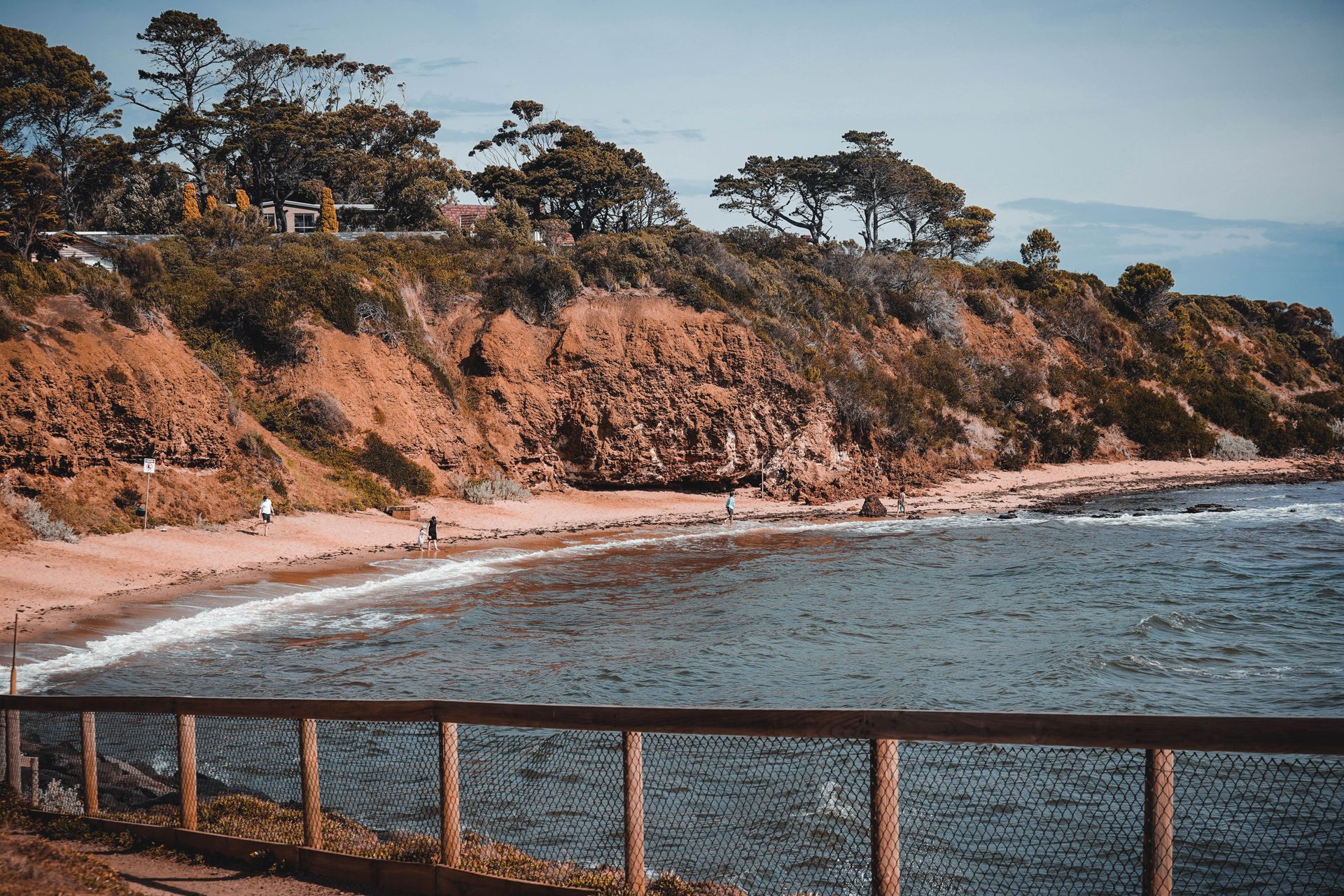
Here, salt-laden air accelerates corrosion on home exteriors. This makes pressure washing necessary. However, the proximity to the ocean and tidal zones means runoff flows directly to marine ecosystems.
In a 2022 study conducted by Cal Poly, researchers found increased turbidity and phosphate levels at creek mouths closest to residential communities post-wash cycles.
In response, Clear Wave piloted a marine-safe green cleaning solution with salt-neutralizing surfactants and closed-loop waste recovery. The result: a 73% drop in nutrient runoff and zero visible biofilm post-cleaning.
This isn’t just theory. It's execution.
Climate-Sensitive Washing Windows: Timing, Seasonality, and Environmental Risk
Pressure washing may seem like an anytime task, but timing directly impacts its environmental safety. In coastal regions like San Luis Obispo, dry seasons increase debris buildup, while the first significant rain after a dry spell—often called the “first flush”—washes accumulated pollutants into storm drains. If pressure washing is done just before this flush, it multiplies the environmental load.
That’s why environmental pressure washing strategies account for weather patterns and seasonal shifts. Professionals adjust their cleaning schedules to avoid washing during high wind days, pre-storm windows, or extreme heat, which can increase chemical volatility and runoff risk.
Eco-friendly pressure washing isn’t just about the method—it’s about when and how it’s applied in response to the climate. Combining the right season with green cleaning solutions ensures minimal ecological disruption and optimal cleaning performance.
Equipment That Enables Sustainable Outcomes
The conversation around eco-friendly pressure washing isn’t complete without talking about gear.
Professionals today use:
- Surface cleaners to reduce splash and overspray
- Adjustable nozzles to limit PSI where needed
- Four-stage water filtration systems
- Water bladders for capture and controlled disposal
Paired with trained technicians, these tools enable safer, more precise jobs that meet both aesthetic and ecological expectations.
When Green Cleaning Isn’t Optional
There are zones and materials where green cleaning solutions aren’t just recommended—they’re necessary:
- Historic buildings with fragile substrates
- Vegetated rooftops where runoff feeds back into the soil
- Public playgrounds and schools, where chemical exposure is a public health issue
- HOA properties, where cumulative runoff affects shared landscaping
In these cases, environmental risks outweigh convenience. Yet many providers still use bleach-heavy cleaners without informing property managers.
Working with a certified environmental pressure washing provider ensures transparency and control.
Why Clear Wave Takes This Seriously
We don’t pressure wash with blinders on. At Clear Wave, our technicians understand:
- The chemical half-lives of every product we use
- Local weather systems and their impact on wash timing
- Municipal laws for each city in San Luis Obispo County
- The importance of reducing your total ecological footprint
We use EPA-compliant green cleaning solutions, train staff on runoff mapping, and invest in water reclamation systems that meet California standards. For us, eco-friendly pressure washing isn’t a selling point—it’s a baseline.
From Clean Surfaces to Clear Conscience
When you choose eco-friendly pressure washing, you're making a decision far beyond aesthetics. You're helping protect local waterways from chemical contamination, supporting the health of your soil and landscape, and doing your part to align with California’s strict environmental protection standards. Every responsible cleaning choice adds up, and your property becomes part of a much larger solution.
At Clear Wave Windows, we don’t treat pressure washing as just another routine task. Our approach to environmental pressure washing is built on scientific understanding, EPA compliance, and a genuine respect for the natural systems we work around. Whether it's a residential driveway or a commercial exterior, we assess each project through a lens of long-term ecological impact.
If you're ready for a cleaner property without compromising your environmental values, contact us today or call (805) 203-0345. Let us show you how professional cleaning can protect not just your space, but the world around it.