The Top Surfaces That Should Only Be Soft Washed
Chris Grayson • September 30, 2026
You’ve just walked across a slippery driveway and wiped a foggy film off your windows. It feels like a normal cleaning day, but here’s the catch. Everyday tools like hoses, scrub brushes, and pressure washers could quietly be causing damage to parts of your home. It may sound surprising, but there's a science behind why some materials demand a gentler touch. Welcome to a smarter way of caring for your exterior, the world of soft washing!
The Soft-Wash Philosophy: Caring Over Cleaning
We often think high-pressure spray is the shortcut to a spotless exterior. Well, that’s not the case for most of the surfaces, and that’s why the gentle exterior cleaning techniques matter. Soft washing harnesses eco-friendly detergents and low-pressure water to lift dirt, mold, algae, and pollutants. So, instead of throwing brute force at grime, it invites surfaces to release debris naturally, preserving their integrity. In other words, if heavy-handed methods preach might, soft washing preaches mindfulness. Let’s take soft washing for stucco as an example. Soft washing maintains that stucco’s beauty without triggering micro-cracks or erosion.
Why Does Soft Washing Deserve the Spotlight?
Soft washing isn’t just a cleaning method; it’s a smarter and safer way to treat your home’s delicate surfaces. While pressure washing relies on force, soft washing takes a gentler, science-backed approach that cleans more effectively without the risks. Below are some of the chief reasons why soft washing is best.
- Since high pressure can chip paint, strip sealants, and even loosen mortar, soft washing preserves surface integrity.
- Biodegradable solutions don’t just blast dirt; they break the biofilm bond on which algae cling. Soft washing offers a deeper and longer-lasting clean.
- Compared to high-pressure washes that risk runoff into landscaping or sewers, soft washing is targeted and thoughtful. So, soft washing has a low environmental impact.
In short, when deciding between soft wash vs. pressure wash, you're choosing preservation and precision over temporary shine.
Surfaces That Absolutely Require Soft Washing
Since some surfaces around your home are too delicate for high pressure and need a softer and more careful touch to stay clean and undamaged, here are some that should only be soft washed. Keep notes
1. Stucco Walls
Stucco might look tough, but it’s surprisingly fragile under pressure. Its porous surface traps dirt, algae, and moisture. Thus, soft washing for stucco works by soaking deep into the material, gently lifting stains without forcing water into cracks or causing erosion.
Soft Washing Tip: Use a low-pressure sprayer with a wide fan tip and allow the cleaning solution to dwell for at least 10 minutes before rinsing. Avoid scrubbing and let the chemicals do the work to prevent abrasion.
2. Painted Wood Siding
Painted wood siding can easily be damaged by high-pressure cleaning. More precisely, since wood is absorbent and flexible, pressure washing can peel paint, splinter the surface, or push moisture into the grain. Soft washing uses low-pressure and gentle exterior cleaning techniques to clean safely while keeping the paint intact.
Expert Advice: Always test a small, hidden section first. Apply the solution from the bottom up to avoid streaks, and rinse top-down to prevent water from seeping behind the boards.
3. Roof Shingles & Tiles
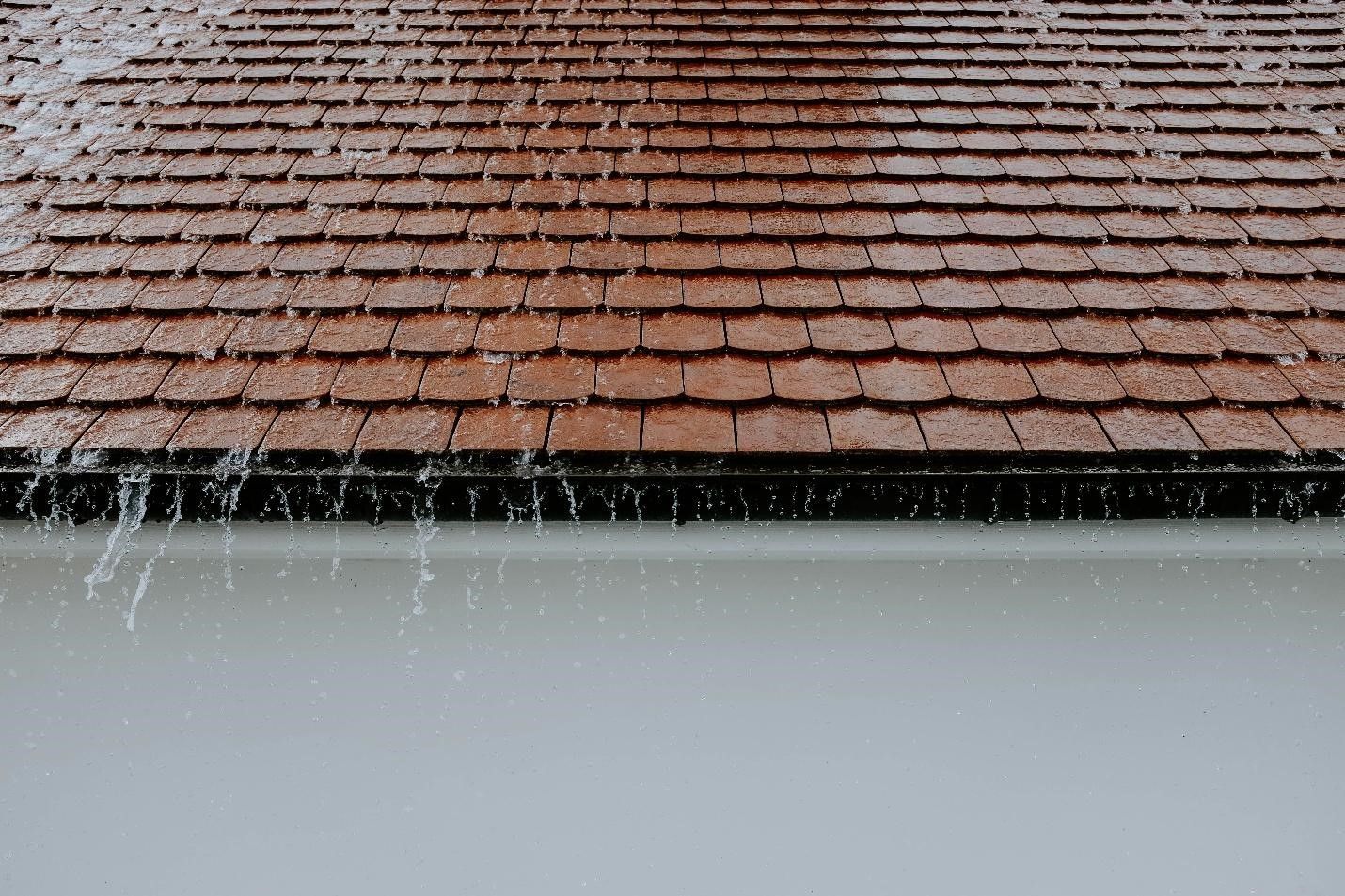
Roofs are one of the most vulnerable areas when it comes to pressure damage. Shingles and tiles may look durable, but strong water pressure can strip protective granules and shorten their life. Safe roof cleaning methods like soft washing break down moss and algae without harming the structure or underlying materials.
Added Value: Safe Roof Cleaning Method
As you know that roof collects not only dirt but also lichen, moss, algae, and decomposition debris, a proper soft wash starts with:
- Inspection: Note missing shingles, cracked flashings, and vulnerable spots.
- Pre-treat: Apply an algaecide solution in shaded corners and valleys.
- Dwell time: Let it sit for 10–15 minutes, infiltrating root cores.
- Gentle rinse: Use under 500 psi with a wide-angle nozzle.
- Final review: Spot clean and check gutters during rinse.
This method not only lifts moss and algae but also drastically reduces the chances of green stripes returning within the first six months. It’s no overstatement to call this a safe roof cleaning method that truly pays off!
4. Glass Windows with Delicate Frames
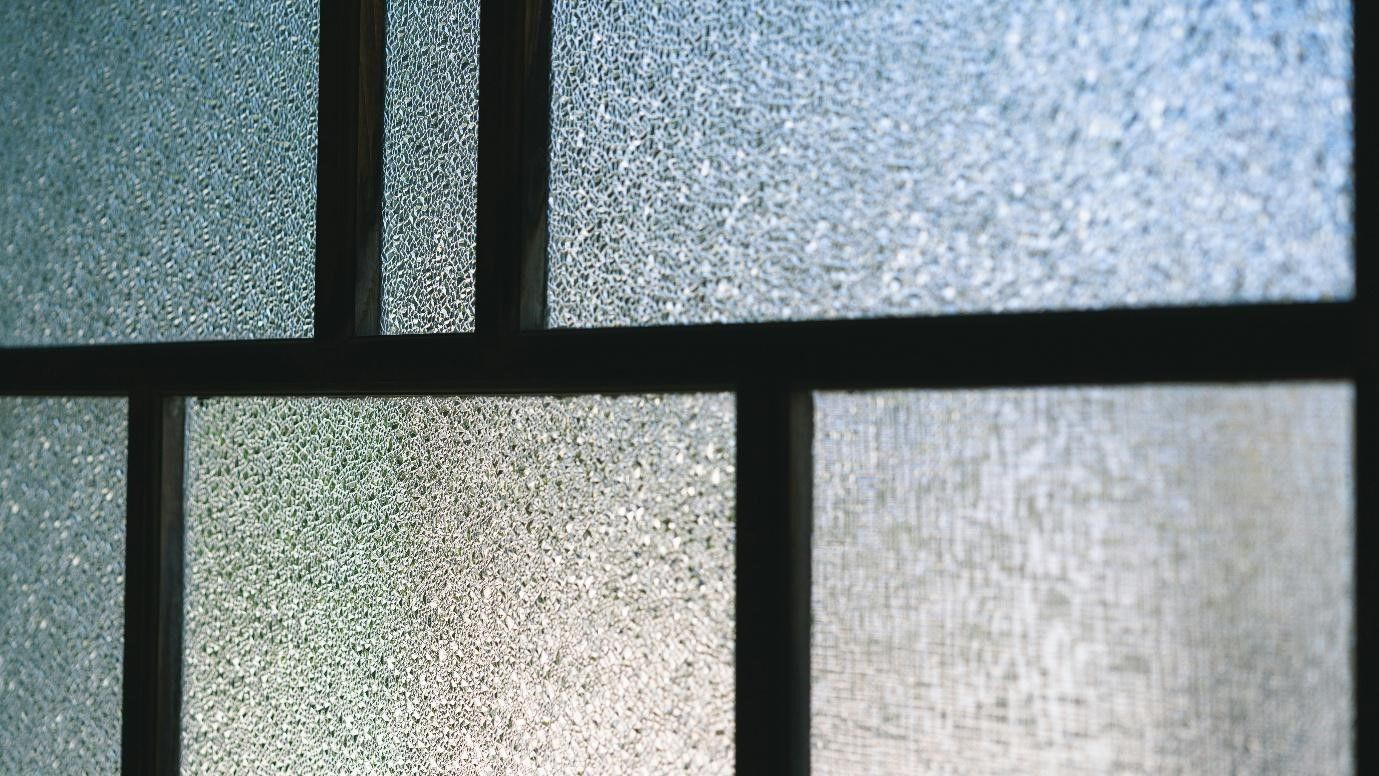
Windows and their frames are easily compromised by high pressure. The seals around the glass can crack, leading to fogging or leaks. Hence, using soft washing along with smart glass cleaning tips, like distilled water and lint-free squeegees, cleans without warping frames or damaging seals. The good part? Gentle care not only preserves clarity but also thermal performance.
Bonus Tips
Let’s talk details. After soft washing around your windows, one golden glass cleaning tip is to use a squeegee vertically on one side and horizontally on the other. This makes it easy to spot leaks. So, if seals are intact, the pane stays crisp; if not, streaks sneak in. Another level-up? Mix a teaspoon of white vinegar in clean water, and apply with a microfiber cloth. This final polish avoids residue and echoes gentle care.
5. Vinyl & Composite Decking
Though vinyl and composite decks are built to resist moisture, they can still collect mold, mildew, and grime in the texture. So, a pressure blast might brighten the surface, but it can also leave it looking “tired” by roughening the texture. Soft washing lifts away biofilm while preserving slip resistance, which is a big plus for households with kids or seniors.
Helpful Insight: Choose a detergent that targets mold and mildew but is safe for synthetic materials. Focus on joints and crevices where grime builds up, and rinse in sections to avoid drying marks.
6. Fiber Cement Siding
Fiber cement siding may look solid, but water under high pressure can sneak into seams and lead to hidden damage. In this case, soft washing offers a safer way to clean this material, using a controlled rinse that protects the siding, seals, and surrounding caulk from wear and moisture intrusion.
Insider Tip: Apply detergent with a low-pressure pump sprayer and keep the nozzle angled downward (at 45°) to avoid forcing water into seams. Don’t let the solution dry, and rinse while it’s still wet for the cleanest result.
Soft Wash vs. Pressure Wash: A Comparative Table
Let’s zoom in. Below is a snapshot to illustrate why soft washing wins for sensitive surfaces.
| Feature | Soft Washing | Pressure Washing |
|---|---|---|
| Pressure Level | < 500 psi (low) | 1,000–3,000+ psi (high) |
| Detergent Use | Yes – biodegradable, targeted | Rare |
| Risk of Surface Damage | Very low – gentle chemicals | Medium to high – risk of chipping, cracking |
| Longevity of Clean | High – removes biofilm | Low – may leave microbes behind |
| Environmental Impact | Low – carries chemicals away thoughtfully | High – runoff volume and force |
The Hidden Benefits of Soft Washing
You might think cleaning is cosmetic, but it’s preventive care. The first hidden benefit of soft washing is that it safeguards warranties. Many shingle or siding manufacturers avoidvoid them if pressure washing is used. Secondly, it prospects resale value, since gentle exterior cleaning techniques maintain original curb appeal. Lastly, soft washing cuts long-term maintenance costs. You spend less fixing cracked stucco, replacing shingles, or repainting screens. In simple words, it's not just clean; it's strategic.
Breaking Down Myths About Soft Washing
- Myth #1: “It’s just low-pressure. Doesn’t that leave grime behind?” - Truth: No, it doesn’t. The biodegradable detergents break biological bonds, and the rinse that follows completes the job.
- Myth #2: “Any spray nozzle can be used.” - Truth: Only low-pressure, fan-style nozzles should be used. Targeted tips reduce force and prevent splash damage.
- Myth #3: “It’s slower and costs more.” - Truth: Well, that’s not the case entirely. Though prep may take extra time, the reduced likelihood of damage and remediation saves money in the long run.
When Is Pressure Worth Considering?
Soft washing isn’t a one-size-fits-all solution. In fact, there are certain tough surfaces where pressure washing makes more sense. For example, poured concrete driveways, stone patios, and sturdy brickwork can handle higher pressure of around 2,000 psi. So, consider pressure washing for these surfaces, as it can be deeply satisfying and highly effective without long-term harm. Yet even here, pre-washing with soft detergents can improve results, reducing streaks and microbial regrowth.
A Real-Life Soft Washing Analogy
Imagine treating a sunburn. You wouldn’t massage it with salt scrub or cold blast, right? Instead, you’d apply a cooling lotion and gentle rinse. Soft washing treats your home’s surfaces like you treat damaged skin. It’s princess-like care for something precious. Pressure washing? That’s the burn therapy equivalent of sandpaper. It’s instant, but painful and damaging.
Final Thoughts
Bringing this back full circle, you wouldn’t slap a salt scrub on sunburned skin, and likewise your home (especially surfaces like stucco, painted wood, glass frames, and roof shingles) deserves that same thoughtful attention. Soft washing isn’t weakness; it’s strategic strength. It treats your property gently yet effectively, giving it a chance to purify and recover without collateral.
So when contemplating maintenance, think soft, not hard. Embrace gentle exterior cleaning techniques that are rooted in care, science, and real experience.
After all, soft washing is more than a cleaning method; it’s a statement of stewardship. When you choose a soft approach, you're choosing care, longevity, and the kind of tidy that whispers, not shouts. So, this time, let your house glow with clarity and kindness, just like the people inside it!
Is your stucco fading? Are black streaks creeping across your roof? Clear Wave’s team of certified technicians uses gentle exterior cleaning techniques that revive your surfaces and protect your investment.
Our processes comply with manufacturer guidelines to preserve warranties. We use eco-friendly solutions and follow glass cleaning tips that leave clarity streak-free.
Click here to schedule your soft wash or call us for a free consultation. Your home deserves a thoughtful clean!
Read more:
Extending Roof and Siding Life Through Regular Soft Washing