Can Rain Make Your Windows Dirty? Here's What Really Happens
Chris Grayson • July 10, 2026
If you've ever looked outside after a rainstorm and noticed streaks or spots on your windows, you may have wondered whether rain actually makes windows dirty.
The answer might surprise you.
Rain rarely makes clean windows dirty. Instead, it exposes the dirt, pollen, salt, and other environmental contaminants that were already sitting on the glass before the storm. As rainwater dries, those contaminants are left behind, creating the spots and streaks many homeowners notice after rainfall.
Understanding why this happens can help homeowners keep their windows cleaner for longer, make informed maintenance decisions, and know when it's time for routine window cleaning.
Is Rainwater Actually Dirty?
Many people assume rainwater is dirty because their windows often look worse after it rains. However, rainwater itself is generally quite clean by the time it reaches your home.
The real issue isn't the rain itself—it's what the rain encounters when it lands on your windows.
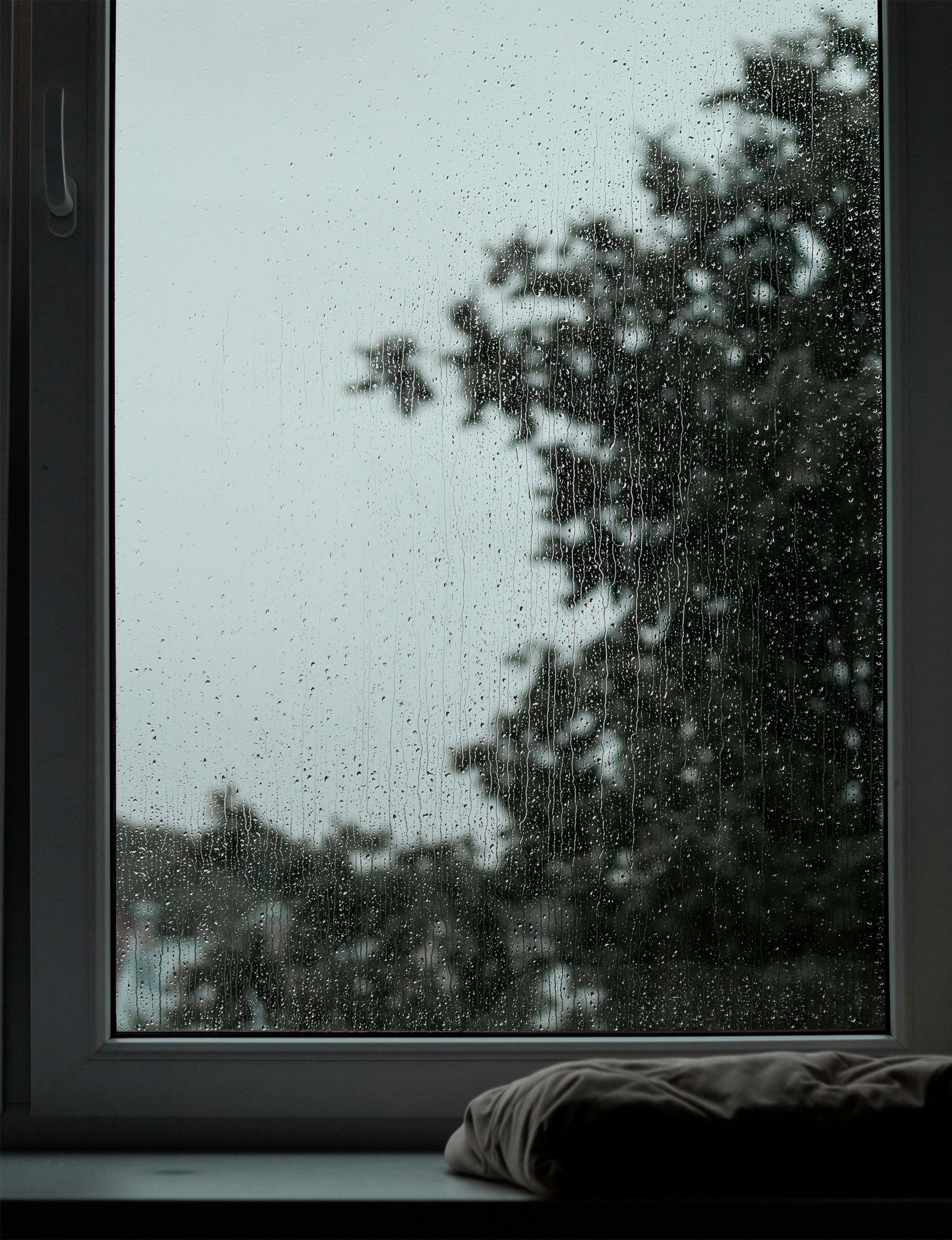
If your glass already has a layer of dust, pollen, mineral deposits, salt, or other environmental debris, rainwater mixes with these contaminants. As the water evaporates, it can leave behind streaks, spots, or a hazy film that makes your windows appear dirtier than before.
In other words, the rain isn't creating the dirt—it simply makes existing buildup more noticeable.
Why Windows Often Look Dirtier After Rain
Rain can highlight contaminants that have accumulated on your windows over time.
Common sources of buildup include:
- Dust and dirt
- Pollen
- Salt carried by coastal air
- Hard water mineral deposits
- Tree sap
- Bird droppings
- Pollution and vehicle exhaust
- Insect residue
As rainwater evaporates, it leaves those contaminants behind on the glass, creating the spots, streaks, and cloudy appearance many homeowners notice after a storm.
The longer this buildup remains on your windows, the more difficult it can become to remove through routine cleaning alone.
Coastal Homes Are More Likely to Experience Window Buildup
For homeowners in Cambria and throughout California's Central Coast, rain can make window buildup even more noticeable.
Coastal homes are regularly exposed to salt carried by ocean air, along with moisture and windblown debris. These contaminants settle on windows every day, even when they're not immediately visible.
When it rains, the moisture mixes with this existing buildup, making windows appear cloudy or spotted once they dry.
Because coastal conditions can accelerate the accumulation of salt and debris, many homeowners benefit from more frequent window cleaning to help maintain clear, streak-free glass.
Why Professionally Cleaned Windows Stay Cleaner After Rain
One reason professionally cleaned windows often look better after rainfall is that there's less residue on the glass for rainwater to interact with.
Professional window cleaning removes much more than visible dirt. It also helps eliminate:
- Dust and pollen
- Salt residue
- Mineral deposits
- Insect debris
- Grime around frames and tracks
With fewer contaminants remaining on the surface, rainwater is less likely to leave behind noticeable spots or streaks as it dries.
While no window stays perfectly clean forever, starting with thoroughly cleaned glass means there's less buildup for rainwater to expose. As a result, your windows often stay clearer between cleanings.
Routine professional window cleaning also helps prevent dirt, salt, pollen, and mineral deposits from accumulating over time. This makes future cleanings easier and helps maintain the clarity and appearance of your windows throughout the year.
Should You Clean Your Windows After Every Rainstorm?
In most cases, no.
A typical rainstorm doesn't mean your windows need to be cleaned immediately.
However, additional cleaning may be worthwhile if your home has experienced:
- Heavy winds that blow dust or debris onto the glass
- Mud splashed onto lower windows
- Pollen-heavy spring conditions
- Construction dust nearby
- Coastal salt buildup after extended periods without cleaning
For most homeowners, maintaining a regular window cleaning schedule is more effective than cleaning windows after every rainfall.
Tips for Keeping Windows Cleaner Between Cleanings
While it's impossible to prevent every rain spot, a few simple habits can help your windows stay cleaner for longer:
- Adjust sprinklers so they don't spray directly onto your windows.
- Trim trees and shrubs that drop sap, leaves, or pollen near the glass.
- Clean window screens periodically to reduce the transfer of dirt onto the glass.
- Wipe away bird droppings promptly before they become difficult to remove.
- Schedule routine window cleaning to prevent dirt and mineral deposits from building up over time.
These small maintenance steps can help preserve the appearance of your windows and reduce stubborn buildup.
Frequently Asked Questions
Does rain make clean windows dirty?
Not usually. Rainwater itself is generally clean. If your windows were thoroughly cleaned beforehand, they may still look clear after a normal rainfall. It's the existing dirt and contaminants on the glass that typically cause spotting.
Why do my windows have spots after it rains?
Rain mixes with dust, pollen, mineral deposits, salt, and other debris already on your windows. As the water evaporates, those contaminants remain behind, creating spots or streaks.
Should I clean my windows after every rainstorm?
No. Most homeowners don't need to clean their windows after every rainfall. A consistent maintenance schedule is usually enough to keep windows looking their best throughout the year.
Why do coastal homes get dirty windows more quickly?
Salt carried by ocean air, combined with moisture and windblown debris, can accumulate on windows more rapidly than in inland areas. This is why coastal homes often benefit from more frequent cleaning.
Can professional window cleaning help reduce rain spots?
Yes. Professional window cleaning removes the dirt, salt, pollen, and mineral deposits that often cause spotting after rainfall. Cleaner windows generally stay looking better for longer, even after it rains.
Why do my windows look worse after it rains?
Although rainwater is generally clean, it mixes with dust, pollen, salt, mineral deposits, and other contaminants already on the glass. As the water evaporates, those particles remain behind, making windows appear dirtier than they did before the rain.
Conclusion
So, can rain make your windows dirty?
Not exactly.
Rain itself is usually not the cause of dirty windows. Instead, it reveals the dirt, pollen, salt, mineral deposits, and other environmental contaminants that have already accumulated on the glass.
Keeping your windows clean through routine maintenance helps reduce dirt, pollen, salt, and mineral buildup before it becomes a problem. The result is clearer views, brighter interiors, and windows that continue looking cleaner—even after it rains.
If you're looking for reliable residential or commercial window cleaning services in Cambria or throughout California's Central Coast,
Clear Wave Windows LLC is here to help. Whether you need a one-time cleaning or a recurring maintenance plan, our experienced team delivers streak-free results that help you enjoy cleaner windows in every season. For added peace of mind, every window cleaning is backed by our 10-Day Rain Guarantee. If rain affects your freshly cleaned windows within 10 days of your service, we'll return to touch them up at no additional cost.