Inside the Mind of a Professional Window Cleaner: Things We Notice That You Don’t
Chris Grayson • June 29, 2026
Most homeowners see windows as part of daily life: something to glance through, open for fresh air, or wipe quickly when fingerprints show up. But for a professional window cleaner, every pane tells a story. Over years of working at all heights, angles, and weather conditions, we start to notice things most people overlook — small details that reveal bigger maintenance issues, hidden damage, or habits that quietly shorten the life of your glass and frames.
In this blog, our team at Clear Wave shares what catches our eye, why it matters, and how paying attention to these subtle signs can keep your home looking brighter and lasting longer.
What Professional Window Cleaners See vs. What You See
A homeowner might see a mostly clean window with a few streaks. A professional window cleaner sees signs of water patterns, early seal failures, and small scratches from older cleanings. We see the way the sun has faded one side of the house faster, or how gutter splash has left telltale arcs of dirt on lower panes.
These details might seem minor, but together they shape how your home ages and what repairs you might face down the road.
Beyond Streaks: What Really Shows a Window’s Age
Homeowners usually focus on obvious streaks or fingerprints, but professional window cleaners look closer. We see the faint mineral haze left behind after rainwater dries, especially in areas with hard water. Over time, these nearly invisible spots harden, forming deposits that dull the glass. They can’t be wiped off with household spray and, if ignored, start to etch the surface permanently.
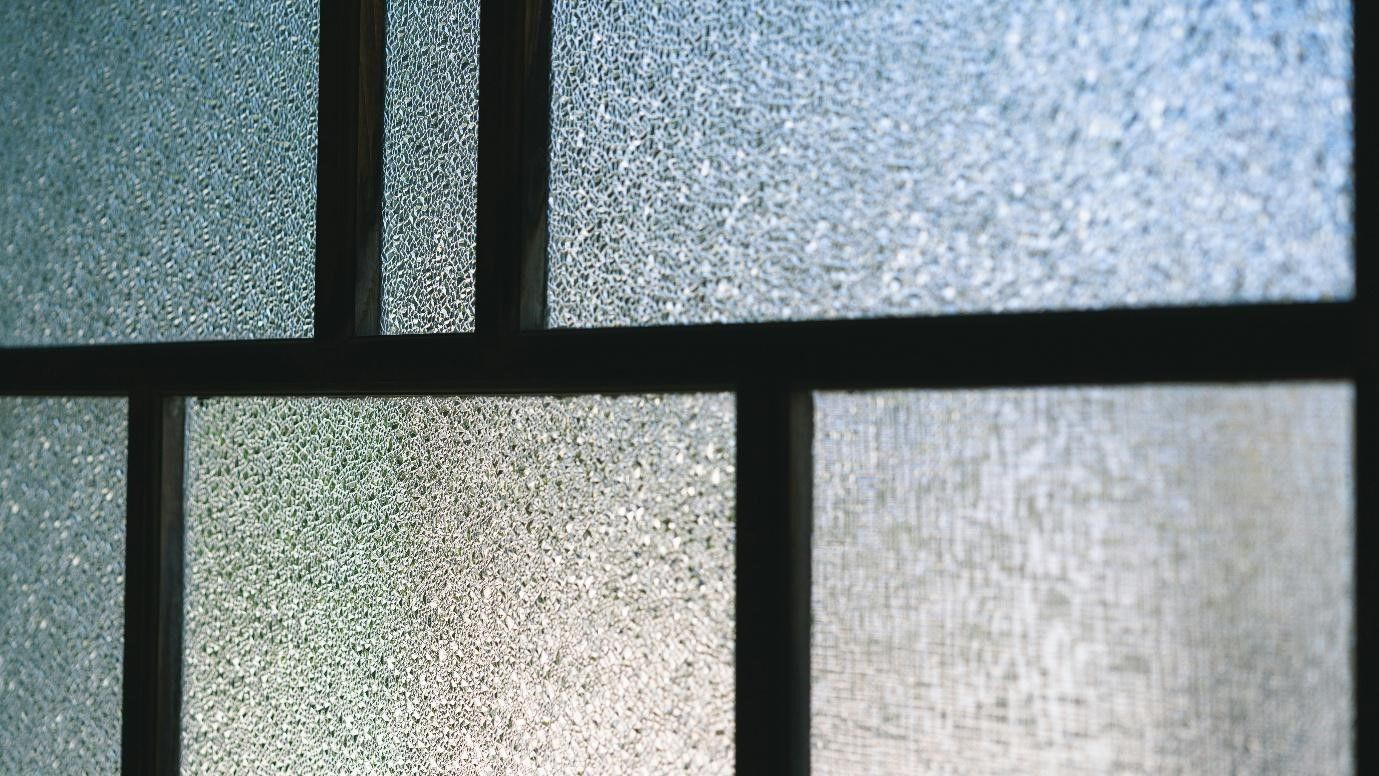
We also notice fine scratches that often come from earlier DIY window cleaning attempts — maybe someone scraped paint specks or bird droppings with a metal blade. They’re small at first, but over the years they catch the light and stand out. Then there’s glass haze: a slightly milky look that doesn’t wipe off, often a sign that double-pane windows have lost their seal, letting moisture creep between the layers.
Each of these issues can start small, yet quietly shorten the lifespan of your glass if not addressed early.
What Frames Tell Us
When we clean windows, we’re not just checking the glass. Frames often reveal just as much — and sometimes even more.
Wooden frames show peeling paint, small cracks, and softened areas where moisture has settled in. These might seem cosmetic, but they often lead to bigger structural damage or rot if not treated. Even newer frames can hide trouble. We’ve seen aluminum frames where seals have lifted, or vinyl frames starting to warp under the sun, letting drafts slip through unseen.
Sometimes we find mold growing in shaded corners that never dry properly, and loose caulking that, if left too long, lets water seep behind siding or into walls. Homeowners rarely spot these details until they become expensive repairs.
What Moisture Leaves Behind
Seal failure in double-pane windows isn’t always obvious from inside. But close inspection outdoors often reveals subtle signs: tiny droplets inside the glass, mineral trails from evaporated moisture, or distorted reflections.
While many think the glass just looks “cloudy,” professionals know it signals a failed seal. Once that happens, the insulated glass unit loses its thermal benefit and can’t be fixed by window cleaning alone. It often means a replacement before rising energy bills or bigger comfort issues appear.
The Quiet Role of Screens
Screens do much more than keep out insects. They reduce wind pressure on glass, filter airborne dust, and prevent small objects kicked up by the breeze from scratching your panes.
What we notice on screens tells us a lot about how a window’s aging. Bent frames, tiny tears you might miss from inside, and thick dust layers all show how much unseen debris the screens catch before it ever touches the glass. Replacing a worn or torn screen early is a small cost that helps keep glass clearer for years.
Where the Water Comes From
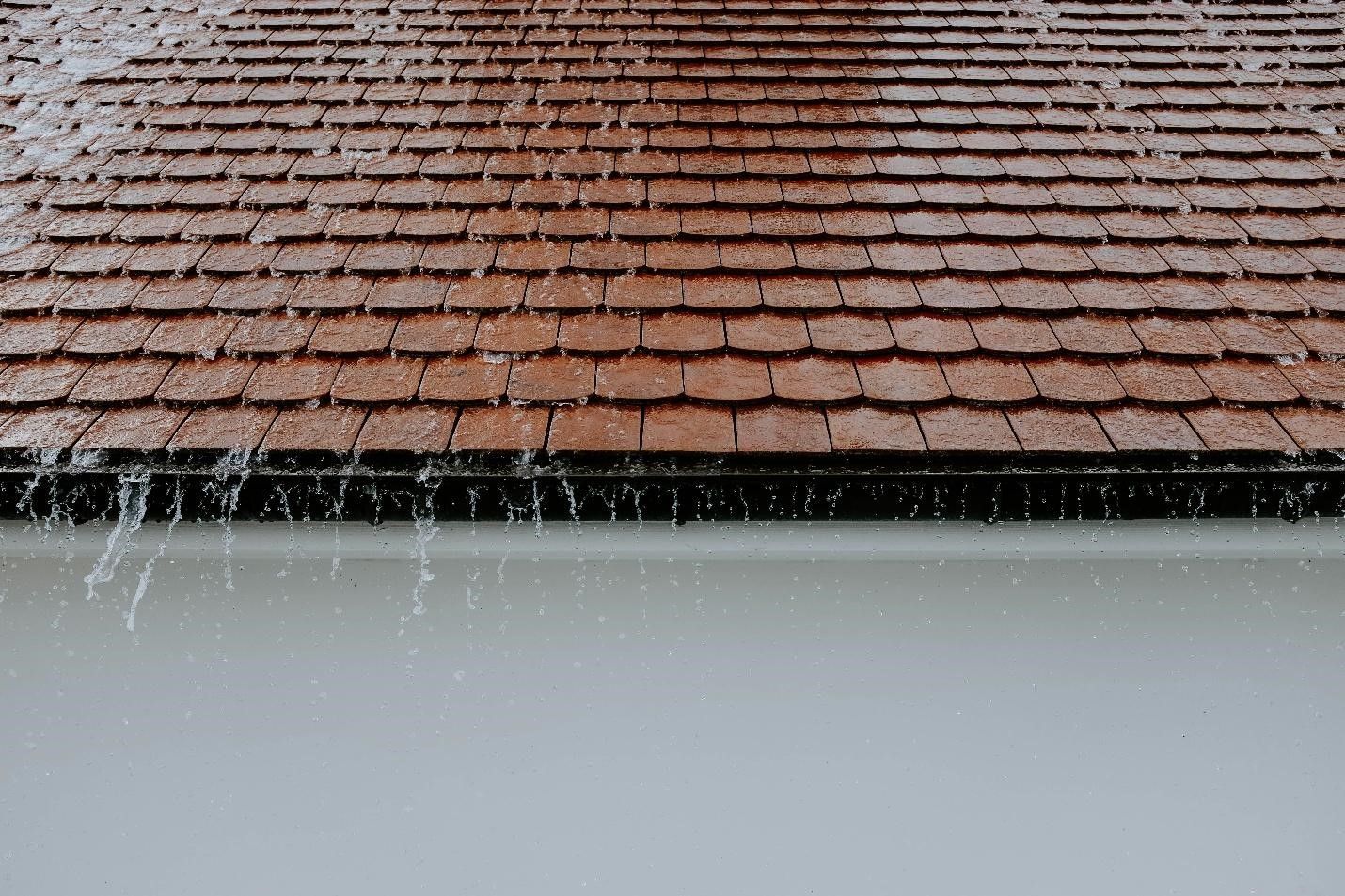
Professional window cleaners don’t just wash what’s on the glass; we often trace back where it came from. Yard sprinklers that spray too high leave neat rows of mineral spots across lower windows. Clogged gutters splash dirty water onto windows below every time it rains. Downspouts that drain too close to the house kick up mud that dries in streaks on the lower panes.
Spotting and fixing these sources keeps glass cleaner longer, and protects frames from constant moisture.
Pests Leave Clues Too
Insects leave subtle signs that most homeowners never see. We might spot tiny pinholes in wood frames — early signs of powderpost beetles. Small mud tunnels along sills or hidden corners often point to termites. Even little wasp nests or spider webs tucked behind shutters tell us parts of the home stay damp or shaded, inviting pests back year after year.
Pointing these out early helps prevent damage that can spread silently behind walls.
Sun Damage is Slow But Steady
Years of direct sunlight slowly weakens frames and changes how windows look. Close up, we notice brittle spots on vinyl, wood that starts to warp and pull away from the glass, or tint film that peels at the corners.
Often, these changes aren’t obvious from inside, but they slowly let drafts in, reduce energy efficiency, and in some cases affect how well the window opens and closes.
Signs of Past Repairs
We also see evidence of older quick fixes that might not last. Thick silicone smeared onto glass or frames traps dirt, making windows look cloudy over time. Crooked caulking beads leave gaps where water still gets in. And misaligned panes from past installations put stress on locks and hinges, sometimes making windows stick or feel loose.
Spotting these repairs helps homeowners decide whether they need a more lasting fix before small issues become large ones.
Seasonal Clues We Remember
Professionals often return to the same homes year after year, which helps us see seasonal patterns. Salt spray builds fastest on coastal homes in winter storms. Spring brings sticky pollen under oak and pine trees. Long dry summers coat glass with dust and airborne grit, especially for hillside homes where wind kicks up soil from lower down.
Scheduling window cleanings with these patterns in mind keeps views clearer with less effort and prevents long-term buildup that standard cleaning can’t remove.
Habits That Keep Glass Looking Better
Clients often ask what they can do between visits to keep their windows looking fresh. The answers are surprisingly simple, but they make a real difference over time.
- Adjust sprinklers so they don’t hit the glass and leave mineral spots that harden into stubborn stains.
- Rinse off bird droppings or tree sap soon after they appear, since the longer they stay, the harder they are to remove without scratching.
- When you do need to wipe away fingerprints or smudges, use a clean, soft microfiber cloth instead of paper towels, which can leave lint and fine scratches that dull the shine over time.
- Take a few minutes each season to walk around your home and check caulking and sealant lines, especially where sun and weather hit hardest.
These small, easy habits won’t replace a professional window cleaning, but they do stretch out the time between deep cleans, keep your windows looking clearer every day, and help protect your glass and frames from bigger problems down the road.
How Tools and Techniques Matter
Part of why professionals see things that most homeowners miss comes down to the tools and methods we bring to every job.
- Using purified water instead of tap water means there’s no leftover mineral residue, so windows dry spotless rather than streaked or clouded.
- Long, adjustable poles and sturdy ladders let us get close enough to examine every corner, sash, and edge, spotting issues like hairline cracks, loose seals, or small patches of mold that might otherwise go unnoticed.
- We also rely on soft, purpose-made cleaning pads and rubber-edged squeegees rather than paper towels or rough cloths. These tools gently lift stuck-on dirt, sap, and insects without scratching or dulling the glass surface.
- Even the way we move across the window, cleaning top to bottom in overlapping strokes, prevents streaks and catches more grime in fewer passes.
Over time, these careful steps make a noticeable difference: windows stay brighter month after month, views remain sharper, and frames and weather seals don’t wear down as quickly. It’s a quieter kind of upkeep, but it preserves both beauty and structure, which is why it matters so much in the long run.
Why It’s More Than Just Looks
Clean windows lift curb appeal, but the hidden details we notice protect your whole home. Spotting small frame damage keeps moisture out. Catching failed seals keeps energy bills down. Replacing screens and checking caulking prevents pests and drafts.
Even something as simple as mineral deposits, when caught early, saves you from the cost of polishing or even replacing etched glass.
Closing Thoughts: The Hidden Value of a Professional Eye
Window cleaning often feels routine, but what a professional sees makes it much more than a quick rinse and wipe. Spotting small frame cracks, noticing the earliest signs of moisture inside double panes, and catching insect or sun damage before it spreads helps protect your windows — and your investment.
Want to know what your windows might be hiding? Contact Clear Wave, LLC, now to schedule a professional window cleaning and inspection. See the difference a trained eye makes, and keep your views as clear as the day your windows were installed.