Deionized Water: What Makes it Better Than Tap Water?
Chris Grayson • August 10, 2026
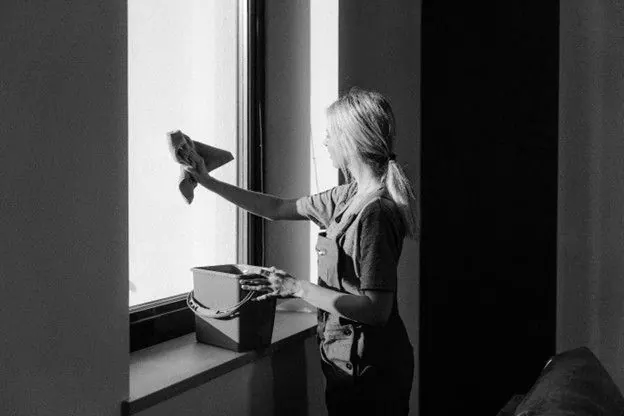
You spend hours wiping your windows until they look clean. But once the sun hits them or the glass dries, you notice spots, streaks, or cloudy patches. It’s frustrating. You’ve used the right tools, maybe even a glass cleaner, and still, not the results you hoped for.
So what’s going wrong?
The culprit might not be your technique. It could be the water you’re using.
Most homeowners use tap water for cleaning. After all, it’s easily available and feels clean. But tap water carries invisible minerals that leave residue behind — even after careful wiping.
This is where deionized water cleaning comes in.
Professionals have long known that when it comes to spotless surfaces, deionized water vs tap water isn’t a close match. One leads to shine. The other leads to spots.
In this blog, we’ll break down what deionized water is, how it works, why it’s better for window cleaning, and why homeowners across San Luis Obispo are now turning to it. You’ll also learn why use deionized water for windows is not just a professional trick — it’s a smart upgrade for your entire cleaning routine.
What Is Deionized Water?
Deionized water, often shortened to DI water, is water that has been purified through a process that removes nearly all of its mineral ions. These ions include both positively and negatively charged minerals like calcium (Ca²⁺), magnesium (Mg²⁺), sodium (Na⁺), chloride (Cl⁻), and sulfate (SO₄²⁻).
These minerals are what give tap water its “hardness.”
In the deionization process, water passes through specialized resins that act like magnets, attracting and trapping these ions. This process doesn’t involve boiling or chemical additives — it’s purely physical filtration at the ionic level.
The result is pure, neutral water that is chemically clean and leaves no residue behind.
Why does this matter for cleaning? Because minerals in water leave marks. When water dries, the minerals stay. On glass, stainless steel, car paint, or mirrors, these minerals appear as cloudy spots, streaks, or chalky outlines.
When using deionized water cleaning, there are no leftover minerals. The water evaporates cleanly, leaving behind nothing but shine.
Tap Water: What Are You Really Cleaning With?
Most people don’t give much thought to the quality of the water they use for cleaning. It comes out of the tap, it looks clear, so it must be clean, right?
Not quite.
Tap water often contains a mix of minerals and additives. These include:
- Calcium
- Magnesium
- Iron
- Chloride
- Fluoride
- Carbonates
- Trace metals from pipes
Water quality varies by region. In San Luis Obispo and surrounding areas, the water is considered hard, which means it has high levels of calcium and magnesium.
These minerals are great for drinking — they contribute to your daily intake of essential nutrients. But when it comes to cleaning, they’re a major problem.
When hard water dries on surfaces, it leaves behind mineral deposits. You’ve seen this before:
- Spots on freshly cleaned windows
- Cloudy patches on mirrors
- White streaks on your car after a wash
This residue can build up over time, making windows harder to clean the next time. Even worse, if you try to scrub it off aggressively, you risk scratching the surface.
That’s why understanding deionized water vs tap water is so important. Tap water may look clean, but it can leave a visible mess behind.
Deionized Water vs Tap Water: Breaking Down the Difference
Let’s look at the practical differences between these two types of water when used for cleaning.
| Feature | Tap Water | Deionized Water |
|---|---|---|
| Contains Minerals | Yes | No |
| Leaves Spots After Drying | Yes | No |
| Requires Wiping or Polishing | Often | Rarely |
| Ideal for Delicate Surfaces | No | Yes |
| Compatible with Water-Fed Poles | Not Ideal | Perfect |
| Safe for Electronics and Glass | Risky | Yes |
| Needs Cleaning Agents | Usually | Often Not Needed |
The takeaway is clear: deionized water cleaning provides better performance, with fewer steps and better results.
It’s no wonder that professionals in industries like automotive detailing, solar panel maintenance, electronics, and window cleaning all choose DI water over tap.
Why Use Deionized Water for Windows?
Now let’s talk about why we use deionized water for windows specifically.
Windows are one of the most unforgiving surfaces to clean. Glass shows everything — dust, fingerprints, and, most notably, water spots. If your cleaning method isn’t perfect, it shows.
Here’s why deionized water is the best choice for window cleaning:
1. No Water Spots or Residue
This is the most obvious benefit. With deionized water cleaning, your windows dry completely spot-free. Because there are no minerals in the water, nothing remains after evaporation. You won’t find streaks in the sunlight or chalky spots on the edges. Just clean, clear glass.
2. No Need to Wipe or Buff
With regular water, you need to dry or wipe the surface to avoid water spots. That adds time and labor to every cleaning job. Deionized water dries on its own, and it dries clean. This makes it a much faster and more efficient solution, especially for large buildings or tall windows.
3. Perfect for Exterior Windows
Exterior windows are often exposed to dust, bird droppings, and pollen. Cleaning them with tap water only makes the problem worse because of the mineral buildup. Using deionized water cleaning on these windows ensures the surface is not only cleaned but also protected from further mineral staining.
4. Essential for Water-Fed Pole Systems
Most modern window cleaners now use water-fed poles — long extendable poles with soft brushes that spray water onto the window. These systems rely on deionized water because it allows windows to air-dry perfectly, even at great heights. This reduces safety risks, eliminates ladder use, and speeds up the process.
Other Uses for Deionized Water Cleaning
While we’ve focused on windows, deionized water cleaning has applications far beyond just glass. It’s used in:
Automotive Detailing
DI water is commonly used in final rinses to avoid spots on paint and chrome. Car washes that advertise “spot-free rinses” are likely using deionized water.
Solar Panel Cleaning
Solar panels must remain clean to function at full efficiency. Using tap water leaves a mineral haze that reduces light absorption. DI water ensures panels stay clear without damaging coatings.
Electronics and Circuit Boards
In electronics manufacturing and repair, even tiny amounts of residue can cause corrosion or electrical faults. DI water is used to clean these components safely.
Laboratory Equipment
Scientific equipment must remain uncontaminated. Labs use deionized water to rinse glassware and instruments between experiments.
These industries trust DI water because it performs better than tap water in every measurable way.
Is Deionized Water Safe?
Yes — deionized water is safe for cleaning, handling, and rinsing. It’s not dangerous to touch or use on surfaces.
That said, it’s not meant for drinking. Because it lacks minerals, it can be harmful if consumed in large quantities over time. But for external use, it’s perfectly safe.
It’s even safer for your home’s surfaces than many chemical cleaners, which may cause discoloration, damage, or fumes.
Environmental Benefits of Deionized Water Cleaning
In today’s world, environmentally conscious cleaning matters more than ever. Here’s how deionized water cleaning supports a greener approach:
No Chemicals Required
Because deionized water is so effective at bonding with dirt and particles, it often eliminates the need for soaps or detergents.
This reduces chemical runoff and prevents pollution in water systems.
Less Water Waste
Since DI water cleans more efficiently, less water is needed overall. That’s good for your water bill — and the environment.
Protects Surfaces for Longer
When you clean with DI water, you’re not just removing dirt. You’re also avoiding the build-up of residues that damage surfaces over time.
This extends the lifespan of your windows, solar panels, vehicles, and more, which means fewer replacements, fewer repairs, and less waste.
Conclusion: Better Water, Better Results
You can spend time, energy, and money scrubbing with the best tools and still get lackluster results if you’re using tap water.
The solution is simple. Deionized water cleaning eliminates the problem at its source. No minerals. No streaks. No damage. Just crystal-clear windows and long-lasting results.
At Clear Wave Windows, we proudly serve San Luis Obispo and surrounding areas with expert window cleaning using the most advanced tools available, including our high-performance deionized water system.
If you’re tired of spots and streaks ruining your view, let us help.
Visit our website or call us at (805) 203-0345 today for your free estimate. You’ll see the difference in every window.