Post-Construction Window Cleaning: Why it Needs a Different Approach
April Marquez • April 8, 2026
After the last contractor packs up and the final inspection is complete, a newly constructed building isn't truly finished until it's thoroughly cleaned, especially the windows.
Post-construction window cleaning differs from regular maintenance because it requires a precise and careful approach designed to tackle the specific residues left behind by building or renovation work. This process is more than just cosmetic; it protects your investment and ensures the property presents a polished, professional appearance.
Clean windows boost curb appeal, allow natural light to fill interiors more effectively, and showcase the true quality of craftsmanship in new builds or remodels. Even high-end glass can appear dull, scratched, or damaged without proper cleaning, diminishing the overall look.
Taking the time to properly clean windows after construction safeguards their condition and highlights the full value of your project.
Why Post-Construction Windows Need Special Attention
Construction zones are dusty, dirty, and full of activity. Materials like drywall, sawdust, adhesives, and cement particles spread across every surface, including glass. Paint splatters, protective film glue, caulking residue, and scratches are common.
Regular window cleaning methods won't cut it. In fact, trying to clean freshly installed or exposed windows with the wrong tools can do more harm than good.
If you want to remove construction dust from windows without scratching or damaging the surface, you need a different strategy; one that's both effective and gentle. Using specialized cleaning solutions and techniques ensures thorough removal of stubborn residues while preserving the integrity of your new windows.
This careful approach prevents costly repairs and maintains the flawless appearance your project deserves.
What Makes This Different from Standard Window Cleaning?
Ordinary window cleaning typically involves wiping down already clear glass with standard tools and solutions. Post-construction cleanup is a deep clean. It requires:
- Debris removal: Paint, stickers, tape residue, sealants
- Scratch-free scraping: Using specific blades at proper angles
- Dust elimination: Fine plaster, insulation fibers, sawdust
- Track cleaning: Metal shavings and grit collect in window channels
- Interior and exterior care: Both sides of the glass are usually affected
Contractors often leave glass covered for protection, but even taped-on films leave residue that must be removed carefully. The U.S. Environmental Protection Agency's (EPA) Indoor Air Quality Design Tools for Schools guide highlights the importance of eliminating contaminants like adhesives and low-VOC residues after construction and maintaining them with gentle, low-impact methods.
The Risks of DIY Methods
Trying to clean your windows after construction with household cleaners and paper towels can lead to permanent issues. Common risks include:
- Scratched glass from dry wiping or improper scraping
- Residue spread across the glass from ineffective products
- Damaged seals or tint from ammonia-based solutions
- Missed spots in corners, sills, or sliding tracks
Proper post-construction window cleaning requires the right equipment:
- Extension poles, ladders, or lifts
- Razor scrapers are designed for glass surfaces
- pH-balanced cleaners that don't leave residue
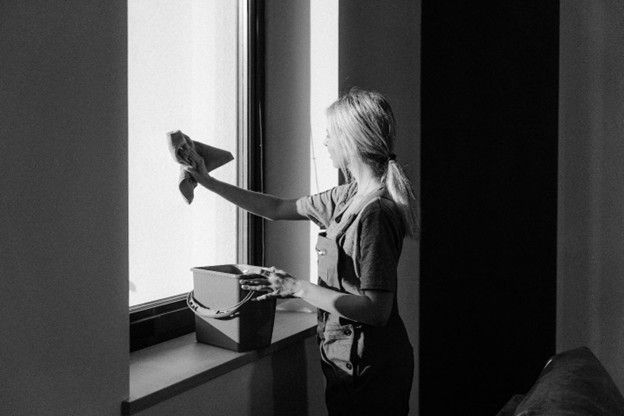
- Microfiber cloths to reduce lint and prevent damage
- Water-fed pole systems with purified water for streak-free shine
It's a process best left to professionals, especially for multi-story buildings.
Multi-Story Properties Require Safety Expertise
Many post-renovation cleaning projects involve buildings more than one or two stories high. Cleaning windows on these structures introduces fall hazards and equipment setup considerations. Workers use:
- Suspended scaffolds or bosun's chairs
- Fall protection harnesses
- Anchoring systems and safety certifications
One misstep can mean serious injury or property damage. A professional crew ensures that windows get cleaned efficiently, without risk to the building or the cleaners.
Step-by-Step Process of Post-Construction Window Cleaning
Cleaning must be structured to avoid streaks, scratches, or lingering residue. A typical professional cleaning service will include:
| Steps | Description |
|---|---|
| 1. Initial Inspection | Glass surfaces are inspected for visible marks, protective films, adhesive tape, or scratches. |
| 2. Dry Debris Removal | Dry cloths or soft brushes remove loose dust or dirt before applying liquid solutions. This step prevents dragging grit across the surface. |
| 3. Cleaning Solution | A mild, non-abrasive solution is applied to soften paint splatter, adhesives, or caulking smears. |
| 4. Razor Blade Scraping | Using flat-edge razors, the cleaner gently scrapes away dried paint or caulk at a low angle to avoid damaging the glass. |
| 5. Rinse and Polish for Damage | Clean water is used for a streak-free rinse, followed by a microfiber or squeegee dry. |
| 6. Detail Work | Window tracks, corners, and frames are cleaned to remove grit and dust buildup. |
Cleaning Windows after Renovation: What to Expect
Every renovation leaves behind dust and debris that settle on every surface, including glass. You might not notice it immediately, but the effects become visible over time, especially in direct light. Foggy panes, sticky residue, or white haze from drywall dust are all common.
Professionals who specialize in cleaning windows after renovation know how to:
- Remove film glue without smearing
- Handle etched-in debris from concrete or plaster
- Clean both the frames and the glass
- Get into the small grooves and channels around sliding windows
This isn't just a cosmetic issue. If left untouched, that residue can eat away at coatings, introduce mold, or even attract more dust.
Environmental & Health Benefits
Construction dust can linger in HVAC systems or air ducts and settle on interior glass. Post-construction cleaning helps reduce airborne particulates and contributes to a healthier indoor environment, which is especially important for families, hospitals, or office workers.
Most reputable cleaners now use eco-conscious products that are safe for indoor air quality and gentle on coatings and seals. Some even offer green-certified options for LEED-compliant buildings or allergy-sensitive environments.
Long-Term Effects of Improper Cleaning
Improper cleaning doesn't just leave windows looking dirty; it can shorten their lifespan. Drywall dust contains gypsum, which is abrasive to glass when dragged across. Tiny scratches accumulate and diffuse light unevenly, resulting in dull or hazy panes.
Additionally, adhesive residue left in sunlit areas can bake onto the glass, staining it permanently. Seals and sashes clogged with fine grit can fail prematurely, leading to air leaks, moisture issues, and high utility bills.
Skipping proper post-construction window cleaning can lead to higher repair and replacement costs down the line.
How to Choose a Reliable Post-Construction Window Cleaning Service
When selecting a company for this task, look for:
- Experience with construction cleanup – Ask if they've worked on projects similar in size and complexity.
- Proper licensing and insurance – Especially important for multi-level buildings.
- Safety certifications – Check for OSHA compliance and fall protection training.
- Green cleaning options – Especially if you're concerned about indoor air quality or chemical residue.
- Before-and-after inspections – Reliable companies offer walk-throughs and satisfaction guarantees.
A good service provider will walk you through the process, explain the steps, and provide a quote with no hidden fees.
Avoid These Common Mistakes
- Scraping in circles – Always scrape in straight lines to avoid visible marks.
- Using paper towels – These can shed lint and leave streaks.
- Ignoring window tracks – Dust and metal shavings can jam sliding mechanisms.
- Leaving film residue too long – It becomes more difficult to remove over time and may discolor.
- Using harsh chemicals – Solutions like ammonia can weaken glass seals or damage UV coatings.
Cost vs. Value
You may hesitate to pay for services after a costly renovation, but this is one area where cutting corners can backfire. Windows are one of the first things people see and one of the most easily damaged. Professionals offer:
- Insurance coverage and trained staff
- High-level access equipment
- Zero risk for scratching or staining
- Guaranteed results with no streaks or marks
A one-time post-construction service protects long-term property value and finishes the renovation properly. It also saves you time, prevents potential warranty issues, and ensures your glass installations stay pristine from day one.
Final Thoughts: Leave it to the Experts
When the dust settles, post-construction window cleaning is the final step in presenting a polished, professional property. It goes beyond wiping glass; it's about protecting newly installed materials, ensuring safety, and delivering a flawless finish showcasing your hard work.
Construction dust, paint splatters, and adhesive residues can easily damage delicate surfaces if not handled properly. That's why precision and the proper techniques are essential during cleanup.
Hiring a professional window cleaning team ensures the job is done carefully and effectively. Experts use specialized tools and cleaning solutions designed to remove tough construction grime without causing scratches or damage. Their attention to detail leaves your windows spotless and streak-free, enhancing natural light and overall aesthetics.
Reach out today!