How Weather Conditions Affect Solar Panel Cleaning Needs
Chris Grayson • December 1, 2025
You rely on your solar panels for clean, cost-efficient power. But what happens when the sky changes? Weather doesn’t just affect your mood or your weekend plans. It plays a serious role in how much energy your panels produce and how often you need to clean them.
Think about it. A sudden dust storm, coastal fog, or long dry spell doesn’t just sit in the background. It builds up. It sticks. And it lingers. That’s when your panels start losing performance quietly, even if everything seems fine from the ground. So if you want your investment to last and work properly, solar panel cleaning must literally follow the climate.
This guide explains how different weather types change your approach to solar panel maintenance. From sticky pollen in spring to salt-heavy fog near the coast, we break down what each condition means and how to stay ahead of it.
Let’s get into the connection between weather and solar panels, and what it means for your energy system all year long.
How Weather Affects Solar Panel Cleaning
You rely on your solar panels for clean, cost-efficient power. But what happens when the sky changes? Weather doesn’t just affect your mood or your weekend plans...
Why Clean Solar Panels Matter
Solar panels generate energy through sunlight. Any barrier to that sunlight affects how well they perform. Bird droppings, dust, pollen, salt spray, and pollution can all lower efficiency.
However, most cleaning decisions should depend on your environment. Knowing how local weather affects your panels helps you avoid guesswork and set the right expectations.
Clean panels don't just look better. They work better. Homeowners in areas with heavy rain may clean less often. Meanwhile, residents in dusty or foggy regions will likely need a regular schedule. Let’s explore how each weather condition affects solar panel cleaning.
Rain: Helpful or Harmful?
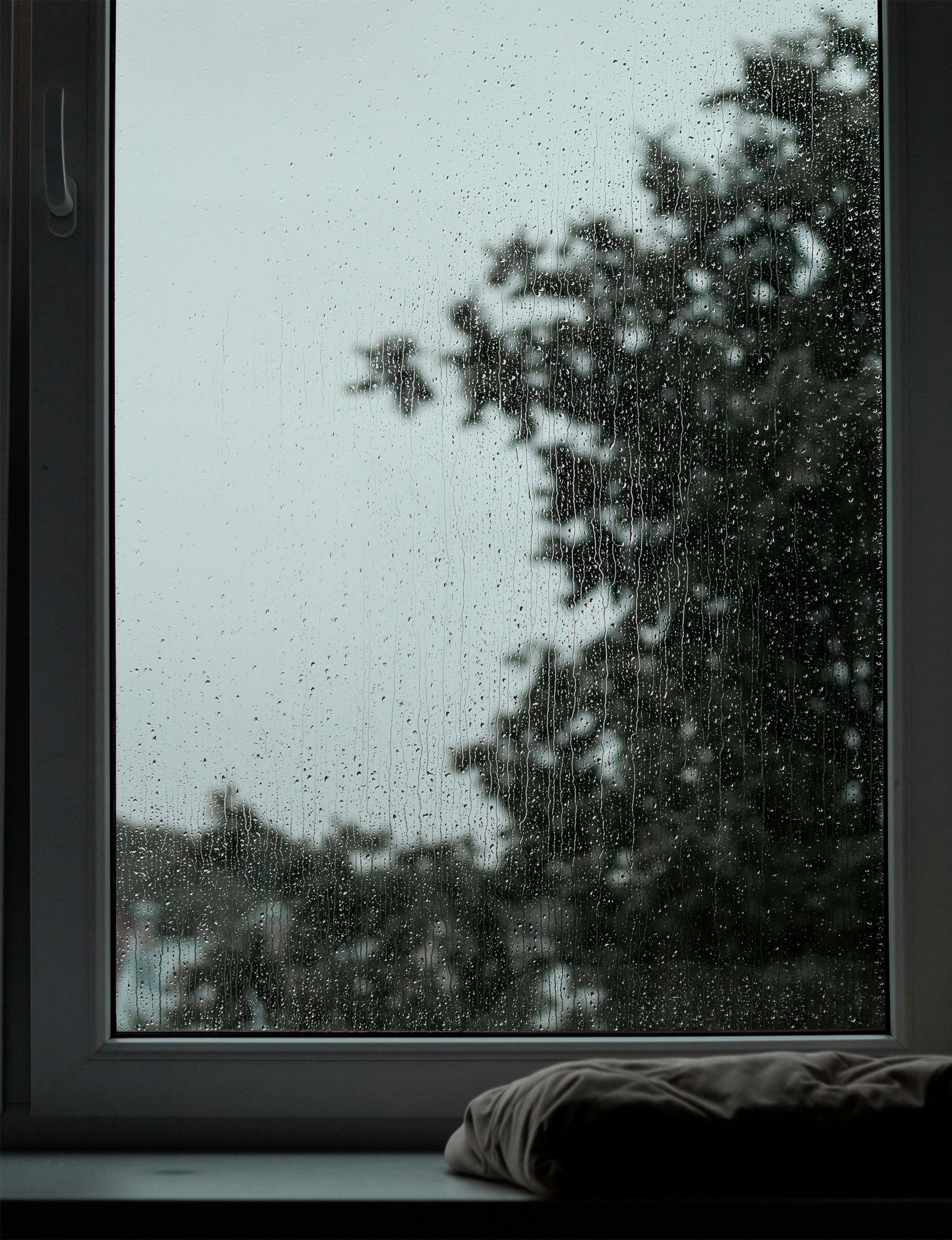
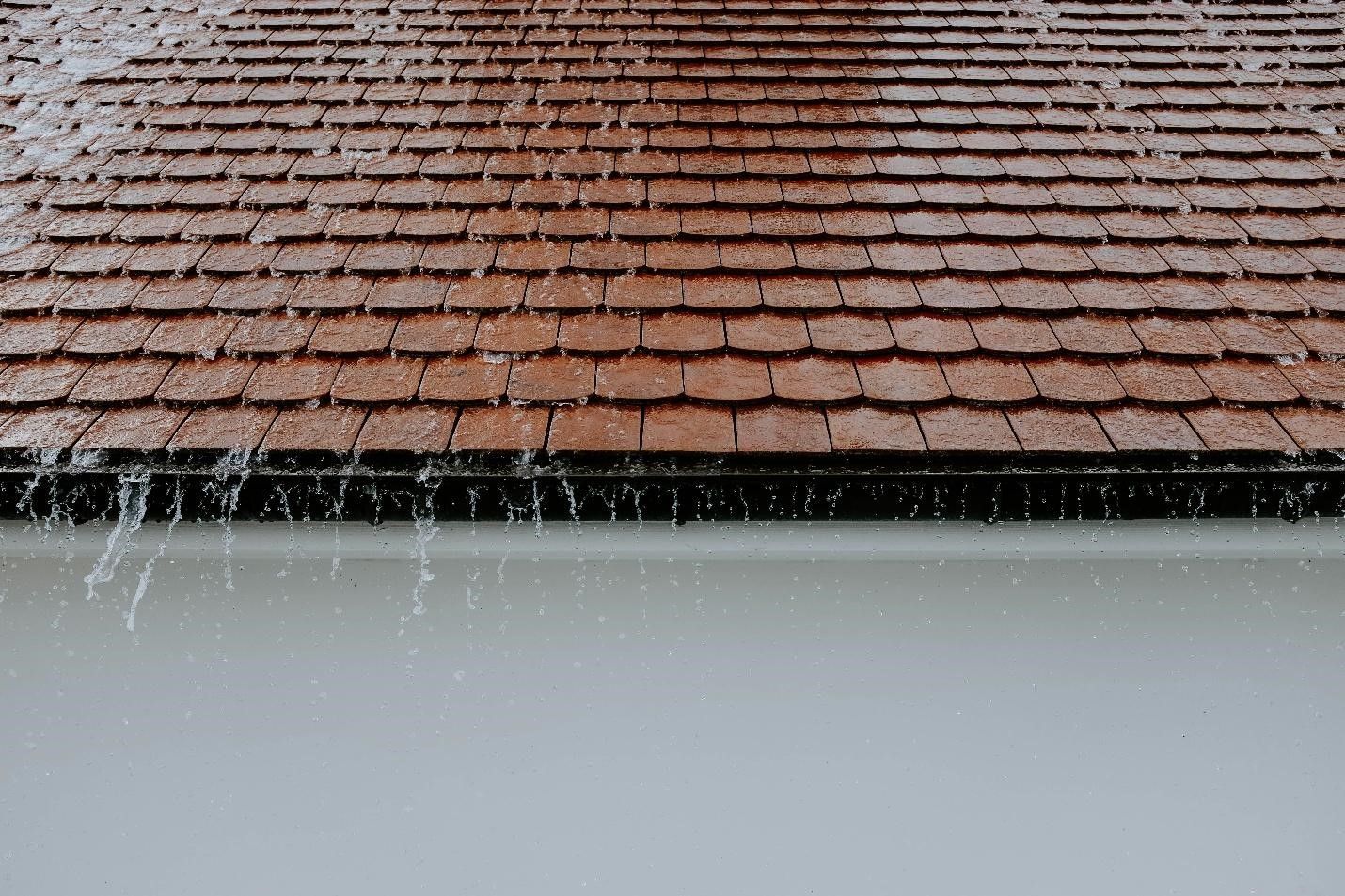
Many believe that rain cleans solar panels naturally. While this is partly true, rainwater doesn’t remove all debris. It mostly washes away loose dirt. Sticky materials like bird droppings or thick dust buildup often remain.
In areas with regular rainfall, solar panel cleaning might be needed less often. However, you should still inspect your panels at least twice a year. Check after major storms too; rain combined with wind can push debris onto panels.
Moreover, rainwater is not pure. Acid rain or hard water can leave mineral deposits on your panels. Over time, these deposits build up and affect output. This is especially common in areas with industrial pollution.
Dust and Dry Weather: A Hidden Threat
Panels can quickly collect grime in dry, dusty regions. Dirt in desert locations or inland areas during summer often reduces panel efficiency.
Unlike rain, dry weather never rinses off the dust. You must rely on manual or professional solar panel cleaning. This is especially critical for panels installed flat, where dust doesn't slide off easily.
In places like California’s Central Valley or Arizona, cleaning every three to four months is standard. Dust storms or dry wind periods can make more frequent cleaning necessary.
Fog and Moisture: A Slow Build-Up
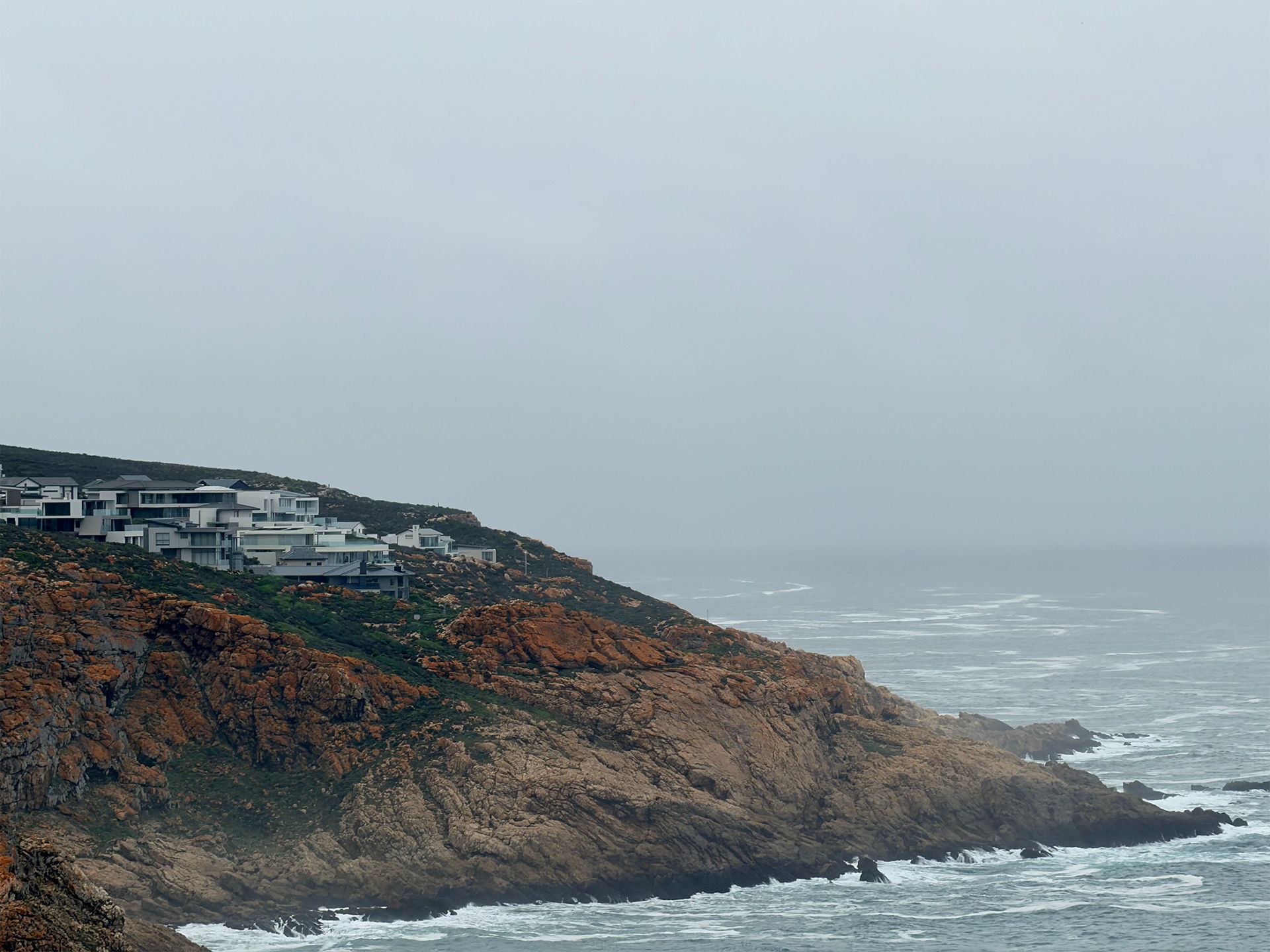
Foggy climates bring a different type of problem. Moisture in the air carries microscopic particles. Over time, these stick to solar panels, forming a filmy layer.
This haze is hard to spot at first, but it gradually lowers solar efficiency. For coastal homes like those in San Luis Obispo, this is a year-round issue. Salt and fog combine to create a dulling layer.
Professional solar panel cleaning with deionized water is ideal for such conditions. This method avoids minerals and streaks, making it perfect for fog-heavy regions.
Snow: More Than Just a Covering
Snow completely blocks sunlight, but it’s not always a cleaning issue. In many cases, snow slides off angled panels as it melts. However, if it melts unevenly or forms ice, it can trap dirt beneath.
If snow is common where you live, consider regular winter checks. While you may not need to clean often, you might need to brush snow away or remove trapped leaves.
Keep in mind that using harsh tools can scratch the panel surface. It’s always best to use soft brushes or contact local professionals.
Wind: Direct and Indirect Impacts
Wind doesn’t just blow dirt onto your solar panels. It can also blow nearby debris, leaves, and pollen onto the surface. While the wind itself doesn’t dirty the panels, it creates the environment for buildup.
High winds during storms often push roof debris or nearby vegetation onto panels. If not cleaned soon, these materials can block sunlight or create long-term marks.
Also, strong winds may dislodge loose wiring or damage panel mounts. Routine solar panel maintenance should always include checks after major wind events.
Hail and Storms: Safety First
Hail doesn’t cause routine cleaning needs, but it can lead to damage. After hailstorms, always inspect panels for cracks or shattered glass. Damaged panels do not function properly, and broken areas can trap dirt.
Storm debris like branches, trash, or roofing particles also impact solar panel cleaning. Always remove such materials immediately, and schedule a detailed cleaning to restore full efficiency.
In post-storm scenarios, a visual check isn’t enough. Consider having a technician conduct a full system inspection to ensure all parts are functioning correctly.
Pollen and Seasonal Changes
Spring is beautiful, but it brings pollen. Yellow pollen can coat solar panels in a sticky layer. If left unchecked, it reduces output and attracts other particles.
Pollen isn’t always easy to rinse off. It can bond with humidity and form a dense layer. Manual or soft-brush cleaning works better than relying on spring rains alone.
You should time solar panel cleaning to match the seasons. In spring and fall, clean more often. During calmer seasons, inspections may be enough.
Smog and Urban Pollution
Urban areas bring unique challenges. Smog, ash, and industrial by-products collect faster on panels. These are often oily and hard to remove with basic rinsing.
For city dwellers, solar panel maintenance means scheduling more frequent cleanings. Deionized water systems are especially helpful here. They remove particles without leaving residue.
In cities like Los Angeles or San Francisco, cleaning is often needed every two months . Busy roads, factories, and dry air all increase buildup.
Bird Droppings: Weather Makes It Worse
You might not think bird droppings are weather-related, but they often follow certain patterns. Warmer weather and food availability increase bird activity.
When droppings dry in the sun, they harden and become more difficult to remove. This makes immediate cleaning harder. The sooner you clean them, the easier the job.
Bird droppings don’t just lower efficiency. They can also cause hot spots. These are sections of the panel that overheat due to blocked sunlight. Left untreated, they may reduce the life of the panel.
Water Quality and Cleaning Method
While not a weather condition, the type of water you use matters. Tap water can leave mineral residue. Rainwater might be acidic.
For best results, use purified or deionized water, especially in foggy or humid climates. This method prevents streaks and mineral spots. It’s ideal for regular solar panel cleaning.
Technicians often use four-stage filtration systems. These remove all impurities and help panels stay clean longer. Homes near saltwater or industrial zones benefit most from this method.
Frequency Guidelines Based on Weather
Here is a general breakdown based on common weather conditions:
- Rainy areas: Inspect twice a year. Clean if buildup remains after storms.
- Dusty regions: Clean every 3–4 months.
- Foggy/coastal zones: Clean quarterly, or more if haze appears.
- Urban locations: Clean every 2 months or after heavy smog.
- Snowy climates: Brush off snow as needed. Clean at winter’s end.
- Pollen-heavy areas: Clean every 2–3 months in spring.
Each property is different. Roof pitch, nearby trees, and panel angle all influence how often cleaning is required.
How to Tell If Your Panels Need Cleaning
You don’t always need advanced tools to know when it’s time for solar panel maintenance. These signs suggest a cleaning is due:
- Noticeable drop in energy output.
- Visible dust, grime, or bird droppings.
- Streaks or smudges even after rain.
- Hazy or dull surface.
- Time since last cleaning exceeds 6 months.
Some homeowners use monitoring software to track energy performance. A sudden drop often signals it’s time for cleaning.
Should You Clean Yourself or Hire a Professional?
DIY cleaning is possible for some homes, especially if the panels are accessible. However, incorrect methods can cause damage. Using the wrong tools or harsh chemicals risks your warranty.
Professional solar panel cleaning includes safety measures, better tools, and faster results. Trained technicians know how to clean without scratching the surface. They also check for signs of wear or hidden faults.
Hiring professionals is especially useful in bad weather areas. Their systems work in fog, wind, or even mild rain.
Final Thoughts: Clean Panels Mean Efficient Energy
Weather will always impact your solar system. Whether it’s dust, rain, fog, or pollen, each climate presents its own challenges. But with regular inspection and the right solar panel maintenance, your panels stay efficient year-round.
At Clear Wave, we specialize in safe, detailed solar panel cleaning throughout San Luis Obispo and surrounding areas. We use a 4-stage deionized water system for a streak-free finish every time. Our technicians are trained to spot issues caused by weather and clean with care.
Visit our website or call us today at (805) 203-0345 for a free estimate. Let us help your panels work better in every season.