Is Pressure Washing Safe for All Surfaces? A Guide to Proper Use
Chris Grayson • November 24, 2025
There’s a certain thrill in watching a grimy patio or stained driveway instantly brighten under a stream of high-pressure water—it’s fast, effective, and oddly satisfying. For many homeowners, pressure washing feels like the ultimate reset button for their outdoor spaces.
But beneath that satisfying spray lies a real risk: not every surface is built to take the hit. The line between a clean finish and costly damage often comes down to one thing—pressure washing safety.
The truth is, owning or renting a pressure washer doesn’t make you an expert. Many well-meaning homeowners blast away at every surface with the same intensity, unaware that wood, vinyl, brick, and concrete all respond differently to pressure.
A few wrong passes and you could strip paint, splinter decking, or drive water into places it shouldn’t go. That’s why knowing which surfaces can handle pressure—and how much—is critical.
In this guide, we’re not just giving you cleaning tips. We’re helping you protect your property. You’ll learn which surfaces are safe for pressure washing, which ones should never meet the nozzle, and the safest techniques to get the job done right,without regrets.
Understanding Pressure Washing: The Basics You Shouldn’t Skip
Pressure washing uses a mechanical sprayer that propels water at high speeds, typically ranging between 1,300 PSI to over 4,000 PSI. The pressure washer may be powered by electricity or gas, and most systems allow the user to adjust the pressure, nozzle angle, and detergent use. While the process may look straightforward, pressure washing safety depends on more than just water force—it hinges on pressure calibration, nozzle selection, spray distance, and even the temperature of the water.
The cleaning effect is achieved by physically dislodging dirt and grime with high-speed water. However, this same power also has the potential to degrade softer materials, force water behind walls or siding, or tear screens.
Using safe pressure washing techniques means understanding the material's structural integrity and how much pressure it can tolerate without being compromised. Whether you’re planning to clean your concrete walkway or a wooden patio, assessing the material’s condition, age, and finish is essential before starting.
Why Not Every Surface Is a Good Candidate for Pressure Washing
It’s a common myth that a pressure washer can safely clean all exterior surfaces. In reality, some materials are more porous, fragile, or deteriorated than others and react poorly to high-pressure water exposure.
Knowing which surfaces are safe for pressure washing can help you protect your home’s aesthetic appeal and structural integrity. Additionally, just because a surface looks “tough” doesn’t mean it can withstand extreme pressure. For instance, older bricks may crumble under pressure, while untreated softwoods may absorb water, leading to swelling or rot.
Furthermore, pressure washing the wrong surface can lead to water intrusion in areas not designed for it—behind siding, beneath shingles, or within porous concrete. This hidden moisture can result in mold, mildew, or structural decay. That’s why pressure washing safety isn’t just about avoiding surface damage; it’s about preventing secondary issues that develop days or weeks after the job appears done.
Surfaces That Are Generally Safe for Pressure Washing
Let’s start with the surfaces safe for pressure washing, provided proper methods are used Concrete Driveways and Walkways
Due to its dense and durable composition, concrete is one of the safest surfaces for pressure washing. Whether you’re removing oil stains, algae, or caked-on dirt, concrete can handle higher PSI settings, usually up to 3,000 PSI, when paired with a 15-degree or 25-degree nozzle.
However, even with concrete, there are nuances to consider. New concrete should be allowed to cure for at least a year before being pressure washed, as uncured concrete is more porous and prone to etching.
Moreover, cracks in older concrete can become worse if high-pressure water is allowed to penetrate them. Using safe pressure washing techniques such as maintaining a consistent distance of at least 12 inches and spraying in even, overlapping strokes can prevent streaking or surface degradation.
Brick Walls with Stable Mortar
Brick is a tough exterior material, but the mortar between the bricks is often the weak link. Newer bricks with strong mortar are surfaces safe for pressure washing, provided you use a fan spray nozzle (25- or 40-degree) and keep the PSI under 1,500. Do not spray directly into the mortar joints or use a narrow stream nozzle; this can dislodge the mortar and destabilize the wall over time.
When pressure washing bricks, it’s also best to pre-wet the surface and apply a biodegradable masonry detergent. This softens dirt and makes removal easier at lower pressures, improving pressure washing safety.
Vinyl and Aluminum Siding
Both vinyl and aluminum siding are designed to withstand outdoor conditions, but are not invincible. These surfaces are safe for pressure washing, but only when handled carefully. A pressure range of 1,200 to 1,500 PSI is usually sufficient. Always spray downward and never aim directly at seams, electrical outlets, or venting panels. Water that sneaks behind siding can become trapped and cause mold or insulation damage.
One of the best safe pressure washing techniques for siding is to use a detergent specifically designed for siding, followed by a low-pressure rinse. A 40-degree wide-angle nozzle is often your best bet for covering large areas efficiently without damaging the finish.
Pressure-Treated Wood Fences and Decks
Wood, especially when pressure-treated or sealed, can tolerate pressure washing—but only at lower PSI levels. Older or untreated wood, on the other hand, is far less forgiving. When washing wooden decks or fences, keep the PSI below 1,200 and use a wide-angle nozzle. Holding the wand too close can raise the grain of the wood, leaving a fuzzy texture that needs sanding.
Because wood is porous, pressure washing can cause it to absorb water, leading to warping or mold if not dried properly. Always allow wooden surfaces to dry completely before sealing or staining. These are important parts of pressure washing safety that many homeowners overlook.
Surfaces You Should Never Pressure Wash
Not all surfaces can handle high pressure—here are the surfaces you should never pressure wash, no matter how tempting it may be.
Asphalt Roofing Shingles
Asphalt shingles are coated with a protective layer of granules that a pressure washer can easily strip away.
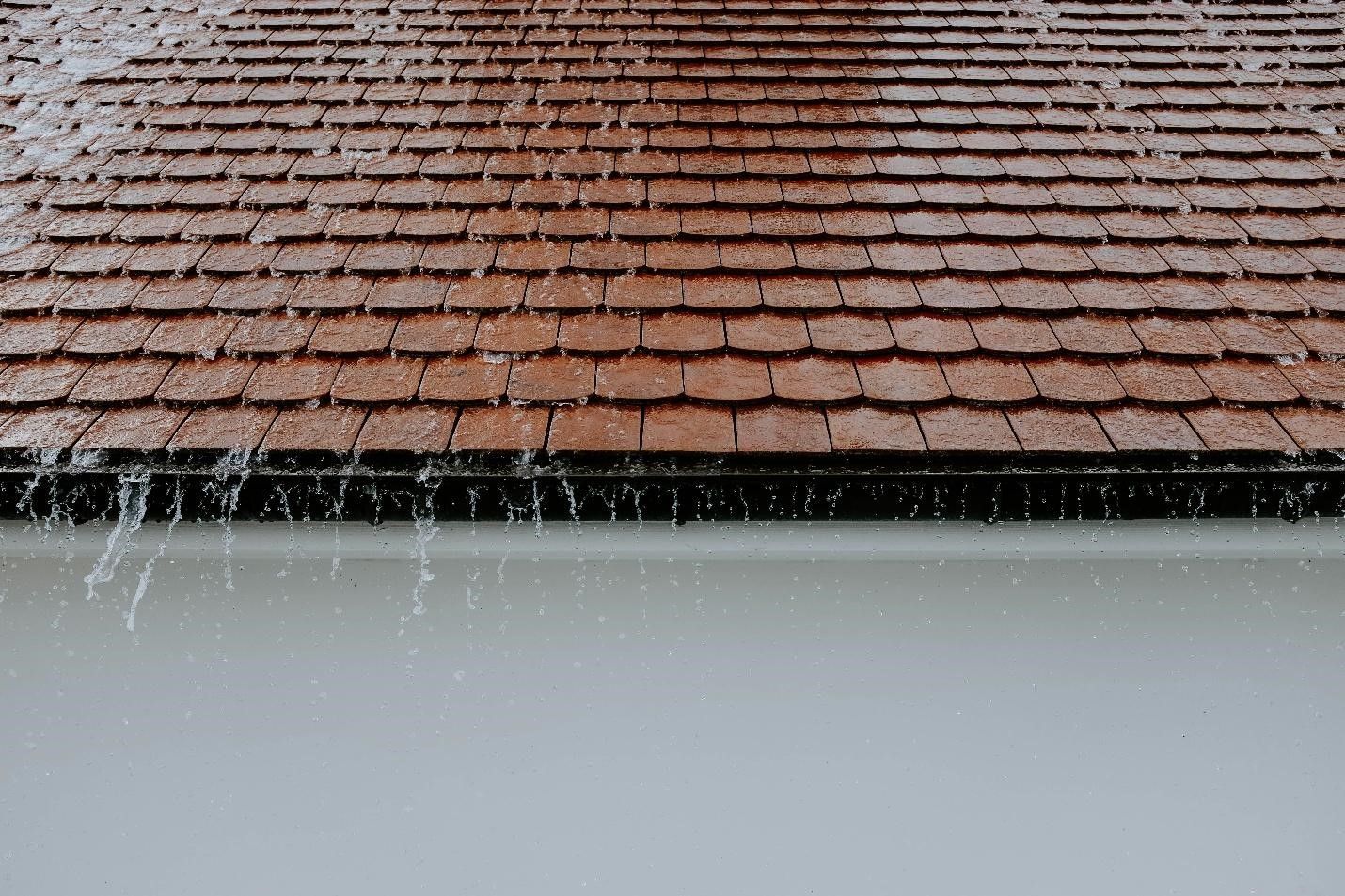
Pressure washing removes this layer and may even force water underneath the shingles, creating leaks and promoting mold growth. Asphalt roofs are not surfaces safe for pressure washing. Instead, soft washing methods using low-pressure pumps and roof-safe cleansers should be used.
Painted Surfaces (Unless You’re Repainting)
If your goal is to preserve the paint, then pressure washing isn’t a good idea—especially on older or peeling paint. High-pressure water can cause paint to chip or bubble, ruining the finish. If you're preparing to repaint, pressure washing can help remove loose paint and clean the surface, but only under controlled conditions. Otherwise, avoid it altogether.
Window Screens and Glass Panes
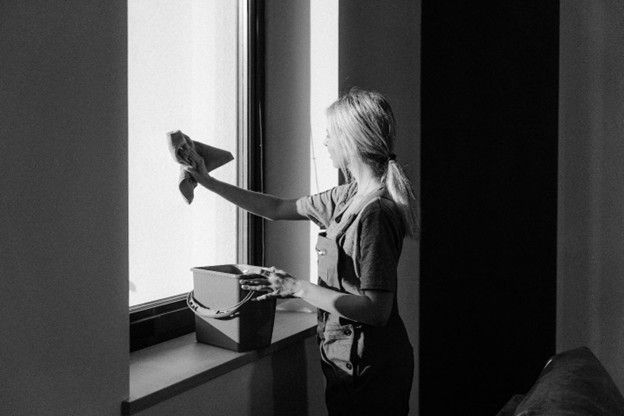
Glass may seem sturdy, but it can crack or shatter under pressure, especially if it's aged, thin, or weakened. Window screens are even more delicate. They can rip or detach from their frames with just a brief pass of a pressure washer. These are not surfaces safe for pressure washing, and any cleaning around windows should be done using soft wash tools and purified water systems.
Safe Pressure Washing Techniques You Must Know
When dealing with pressure washing safety, technique matters just as much as the equipment. Start with a low PSI and work your way up only if necessary. The goal is to use the lowest pressure that still gets the job done.
Distance plays a big role. Keep the nozzle at least 12 to 18 inches from the surface and use sweeping motions to avoid gouging or striping. Never use a pressure washer without testing it on a small, hidden area of the material you’re cleaning. This allows you to gauge how the surface reacts and adjust your technique accordingly.
Another overlooked aspect is nozzle selection. A 0-degree nozzle is rarely necessary and can cause damage even on hard surfaces. Most residential cleaning jobs can be handled with a 25- or 40-degree nozzle, which spreads the water out over a wider area, reducing intensity. This is one of the most important safe pressure washing techniques you can apply.
Using biodegradable detergents allows you to clean more effectively at lower pressures. These detergents break down organic matter like algae and mildew, reducing the need for aggressive washing. Let the solution sit for a few minutes before rinsing, and follow up with a clean water rinse to prevent residue buildup.
The Consequences of Unsafe Pressure Washing
Ignoring pressure washing safety can lead to more than cosmetic issues. For instance, blasting water into siding can lead to trapped moisture, which may eventually seep into the wall cavity, causing mold, rot, and insulation failure. High pressure on stucco can result in chips and cracks compromising the wall’s water resistance. Washing a deck improperly may force water deep into the wood fibers, resulting in warping as the wood dries.
Financially, these mistakes add up. Repairing damaged siding, repainting stripped surfaces, or replacing warped wood costs far more than hiring a professional in the first place. That’s why understanding safe pressure washing techniques is not a luxury—it’s a necessity.
Final Thoughts: The Smart Way to Clean
To sum it up, pressure washing is a powerful cleaning method—but only when used with precision, care, and knowledge. Not every surface can handle high pressure, and even durable materials require the correct nozzle, pressure level, and technique to be cleaned safely.
By knowing which surfaces are safe for pressure washing and using only safe pressure washing techniques, you can extend the life of your home’s exterior and avoid costly damage.
At Clear Wave Windows, we take pressure washing safety seriously. Serving San Luis Obispo and surrounding areas, we combine eco-friendly products, advanced deionized water systems, and technician expertise to deliver outstanding results. Whether you need window cleaning, screen repair, or surface washing, we’re committed to protecting your home and giving you spotless results, without shortcuts.
Visit our website or call us at (805) 203-0345 to schedule your free estimate today. Let us handle the pressure—so you don’t have to.